AHA started its first service in DRC in the Equateur Province with the provision of primary and secondary health services, HIV/AIDS, health infrastructure and rehabilitation, medical screening and escort to repatriation team, nutritional surveys and sanitation for refugees from the Central Africa Republic and the Republic Of Congo. AHA reached some 20,000 Angolan refugees, Congolese returnees and nationals. In 2005, AHA expanded its programmes and included Repatriation, Reinsertion And Nutrition aside from the provision of health services, HIV/AIDS, health infrastructure, Rehabilitation and Sanitation services that started in 2004. To provide the primary healthcare to an estimated 1,400 Congolese returnees, AHA worked within the municipalities of Batanga, Dongo, Monzombo And Lyonda/Mbandaka, Mawuya, Gbadolite, Budjala And Kungu. There, they gave out food And Non-Food Items (NFIs), medical care and training in hygiene, HIV/AIDS.
As a result of the vapid malnutrition that was going on, AHA opened a nutritional centre in Libenge, to promote the survival, protection and development of children. 4,434 patients were treated.
To go on, in 2006, AHA implemented its SGBV program by working closely with the NGO – Actions Et Interventions Pour Le Développement Et L’encadrement Sociale – to reduce the incidences of SGBV and ensure the wellbeing of survivors. Activities under this umbrella included: Raising awareness within the community, Training workshops, Subject based recreational activities, Psychosocial care and Legal support for survivors.
By 2007, AHA had reached more than 100,000 people and had met 80% of its targets. It had assisted in the successful repatriation of more than 20,000 people back to DRC.
In 2008, AHA expanded to Katanga province to implement the very first HIV/AIDS programme in the region. All of its activities were also carried out in the municipalities of Buburu, Imese, Kalemie, Lubumbashi, Mbandaka, Mobo And Pwetto.
The programmes Of AHA continued to be implemented up until 2010, by which time it scaled down its areas of operations from three to two, covering only the Katanga And Equateur provinces. With an emphasis on prevention, AHA worked to raise awareness and sensitize communities to important health issues within the provinces it was based. By the end of its time in DRC, 2010, AHA had reached a total of 108,899 refugees and nationals.



Nutrition

Wash

healthcare

Livelihood

Protection

Food Security

Shelter

Logistics

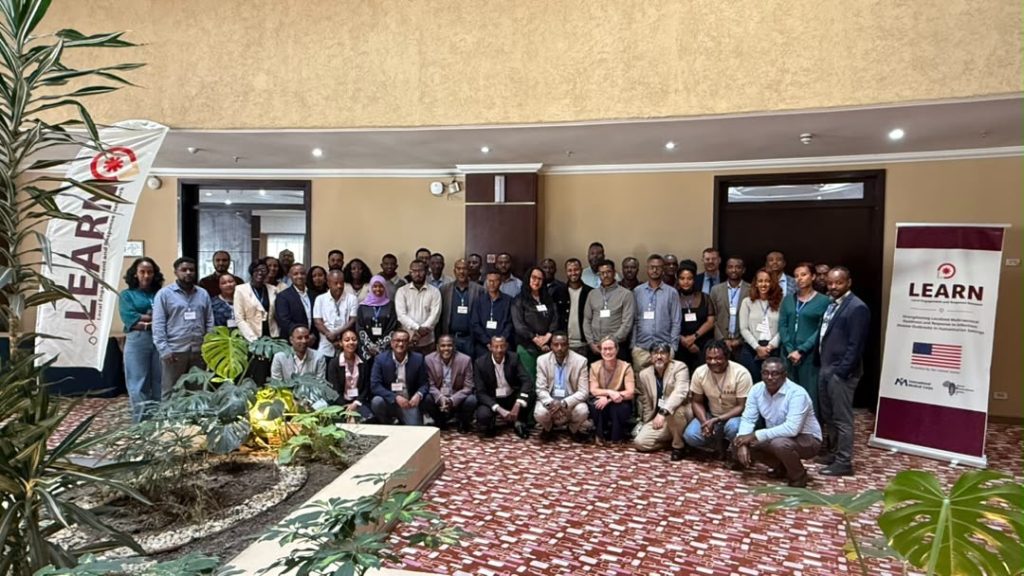
AHA and IMC Strengthen Rapid Response Capacity Through Advanced RRT Training in Addis Ababa
The ability to detect public health threats early and respond quickly can make a critical difference in protecting communities. Effective
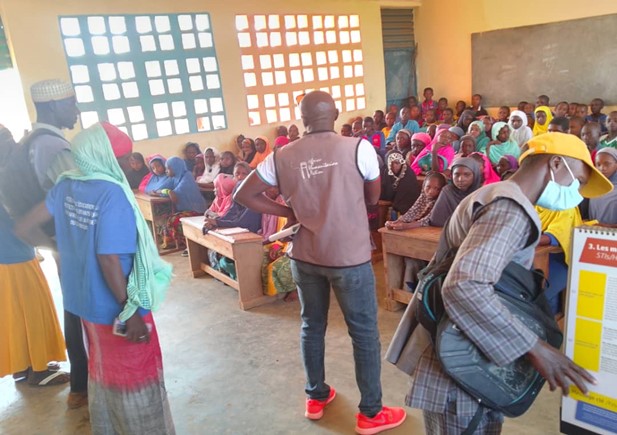
Keeping Refugee Families Healthy in Cameroon: Building Care That Lasts
For more than a decade, Cameroon has provided refuge to people fleeing the Central African Republic (CAR). Currently, more than

Statement on the Passing of Mr. Tafese Belete
Africa Humanitarian Action (AHA) extends its deepest condolences on the passing of veteran Ethiopian journalist Mr. Tafese Belete, whose distinguished
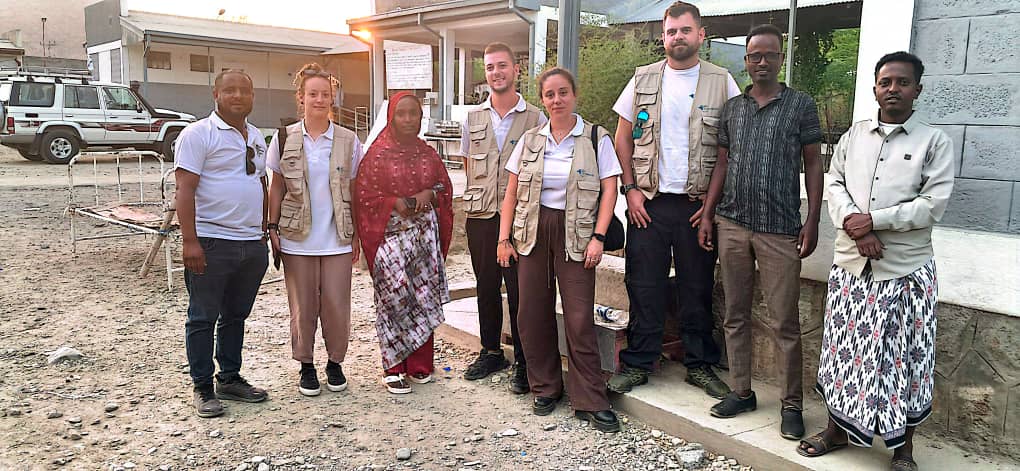
Building Resilience in Berhale, Afar: AHA-Ethiopia’s Mid-Year Impact
In Ethiopia's Afar Region, consecutive droughts, displacement, rising food prices, and limited access to healthcare continue to place enormous pressure
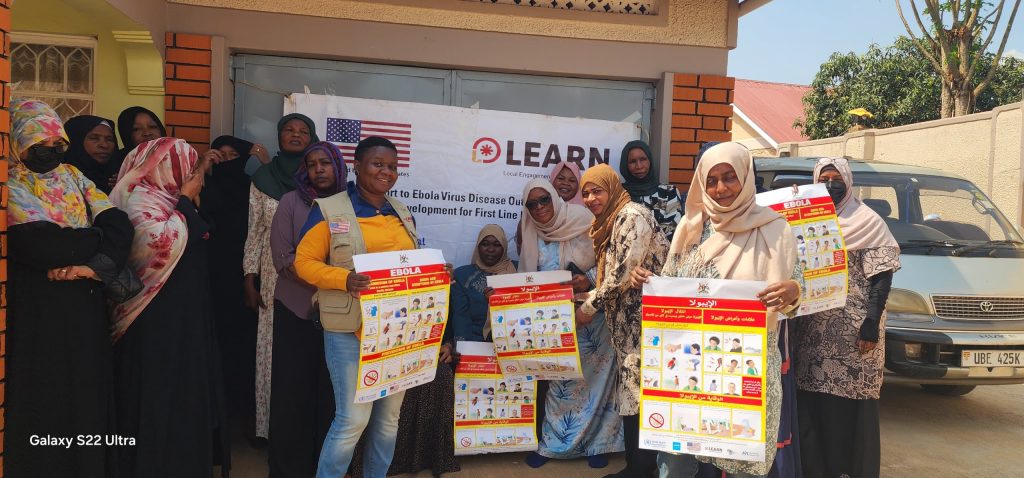
AHA-Uganda strengthens Ebola Response in Kampala, Bundibugyo and Ntoroko under the LEARN Project
As Uganda intensifies its response to the Bundibugyo Ebola virus outbreak, Africa Humanitarian Action (AHA)-Uganda, through its partnership with the