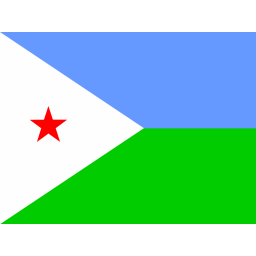





AHA expanded its operational footprint in the Republic of Djibouti in 2015 to respond to the influx of refugees from Yemen. AHA’s intervention in the country focused on the physical, mental, and reproductive health of refugees as well as their nutritional well-being and HIV/AIDS prevention and care. AHA emphasised efforts on reducing malnutrition and anaemia which included awareness education and communication to enable a change in behaviour in nutrition and hygiene.
In collaboration with UN and other entities operational in Djibouti, AHA was engaged in establishing a response plan for emergencies taking charge of health and nutrition interventions.
AHA Djibouti provided services for over 25,744 refugees and asylum seekers in the years it was operational. AHA run a three 24 hour clinics in Ali Addeh refugee camp; Holl refugee camp; Markazi refugee camp and one outpatient clinic for urban refugees in Djibouti Ville.
To maximize the impact and sustainability of AHA’s work, AHA periodically provided trainings for national staff and refugee volunteers. Trainings for the health center staffs focused on enhancing staff capacity to adapt and manage goals, become familiar with the resources deployed namely priority pathologies, national protocols, goods and drugs. Furthermore, the AHA personnel participated in various capacity building programs organized by the Ministry of Health and other operational partners in the camps, namely: WFP, UNICEF, ONARS, and UNHCR.
AHA’s intervention came to an end in 2016.