As Uganda intensifies its response to the Bundibugyo Ebola virus outbreak, Africa Humanitarian Action (AHA)-Uganda, through its partnership with the International Medical Corps (IMC) in the Local Engagement and Response Network (LEARN) Project, is playing a critical role in strengthening preparedness and response activities across Kampala, Bundibugyo, and Ntoroko districts. Working closely with national and local authorities, AHA-Uganda is supporting interventions focused on capacity development, surveillance systems, infection prevention and control (IPC), and community engagement in high-risk and border communities.
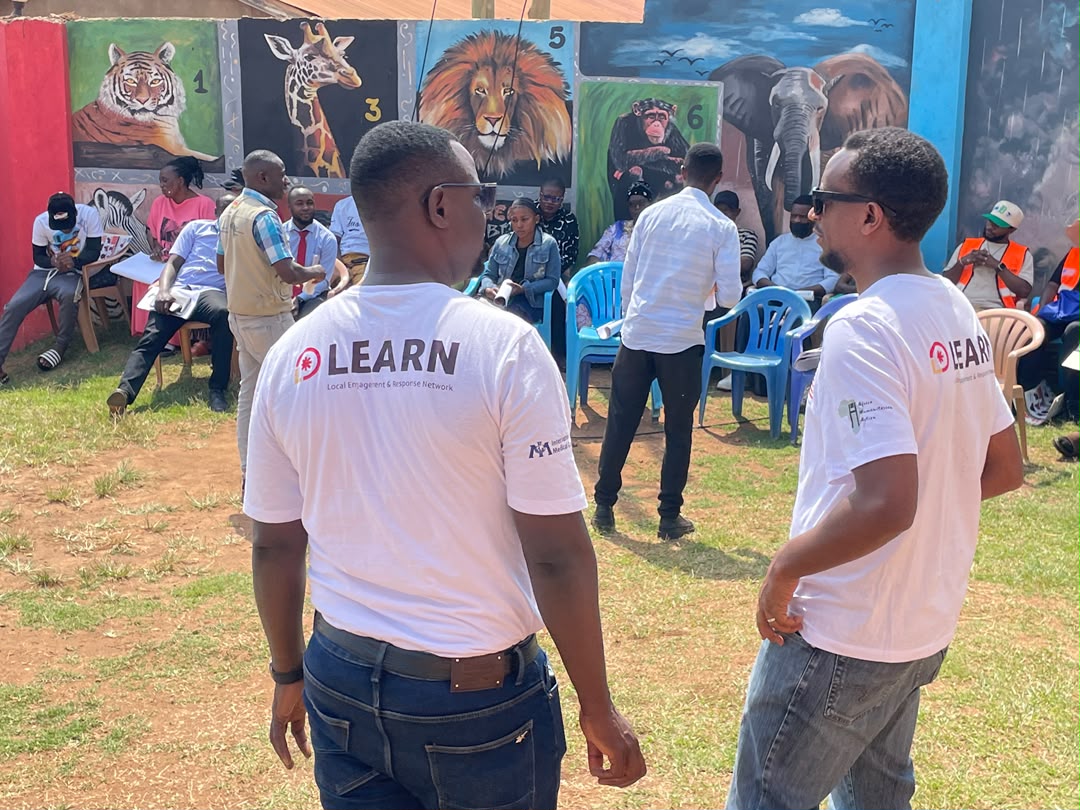
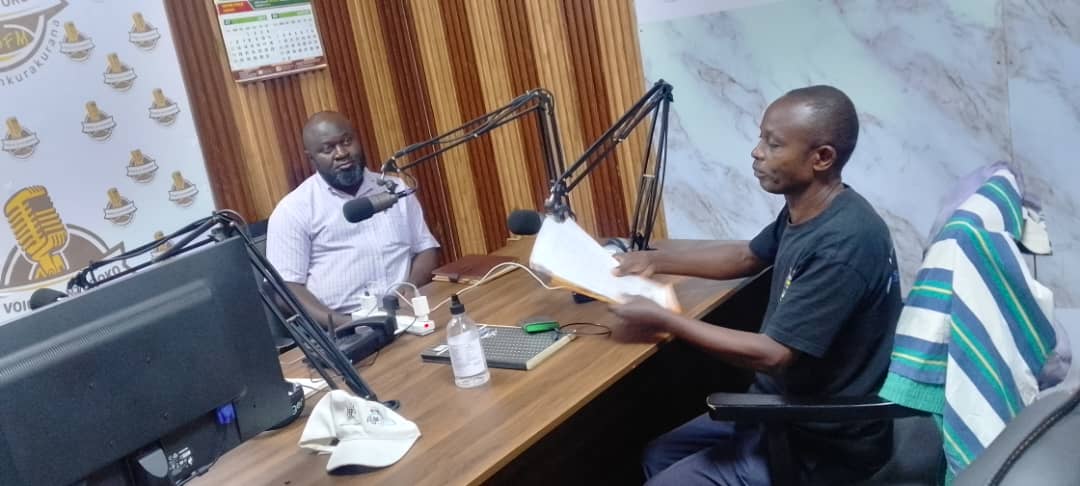
As of early June 2026, AHA has prioritized strengthening frontline systems and ensuring health workers and communities are better equipped to prevent transmission and rapidly respond to potential cases.
One of the key achievements made has been contact tracing and monitoring, where AHA-Uganda supported Kampala Capital City Authority (KCCA) teams to identify and follow up contacts linked to suspected and confirmed cases. In addition, AHA provided logistical support in eight out of ten divisions within Kampala, enabling teams to carry out timely monitoring activities.
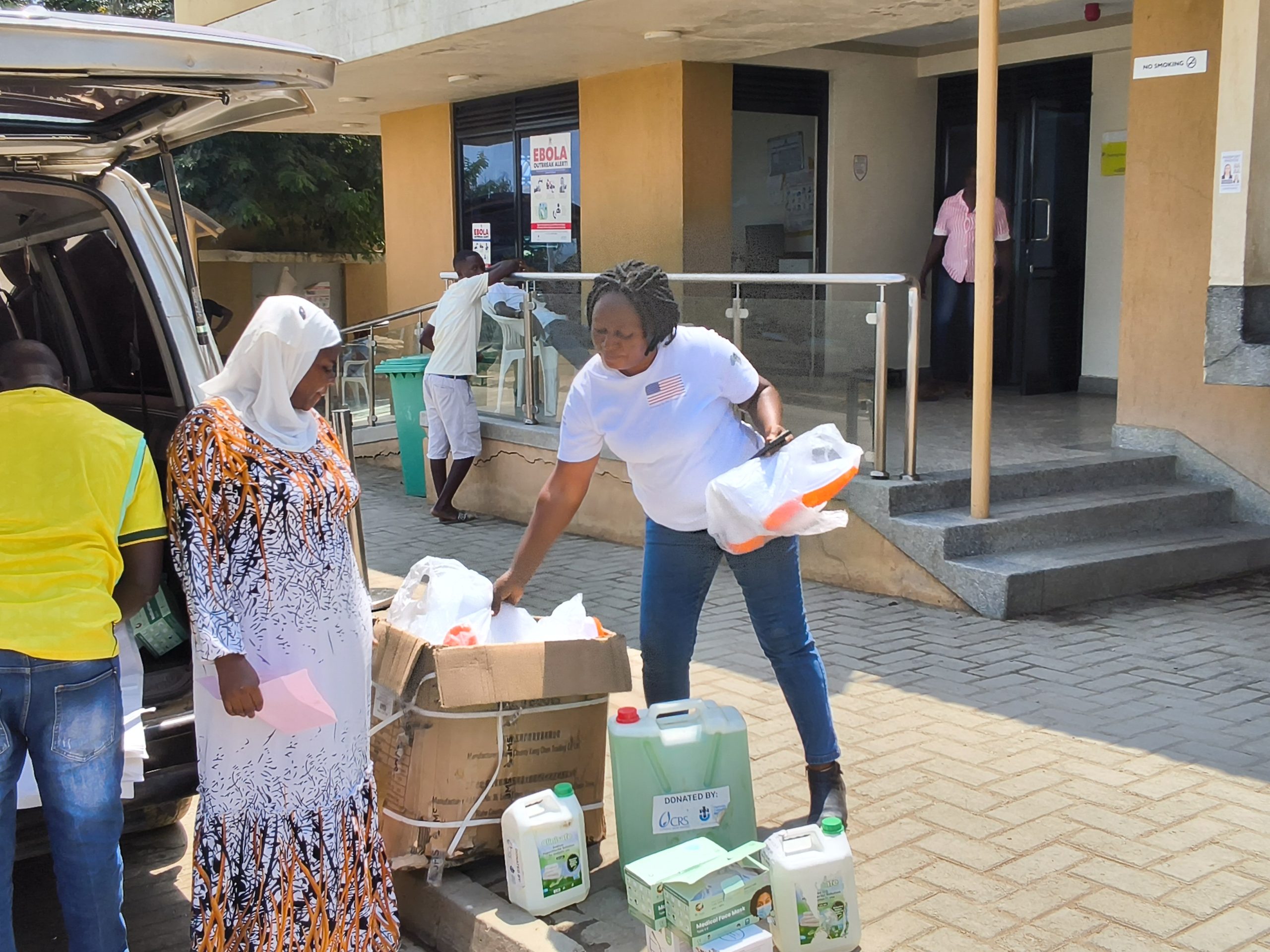
AHA-Uganda has supported alert verification efforts, working closely with Kampala City Council Authority laboratory teams to investigate and verify alerts, ensuring rapid identification and response to suspected Ebola cases.
Understanding the importance of preparedness at border areas, AHA conducted health facility assessments in Bundibugyo and Ntoroko districts, identifying urgent gaps in infection prevention supplies, staff capacity, and infrastructure needs. Findings highlighted the need for additional IPC materials, training for health personnel, and the establishment of screening and holding facilities to strengthen outbreak response systems.
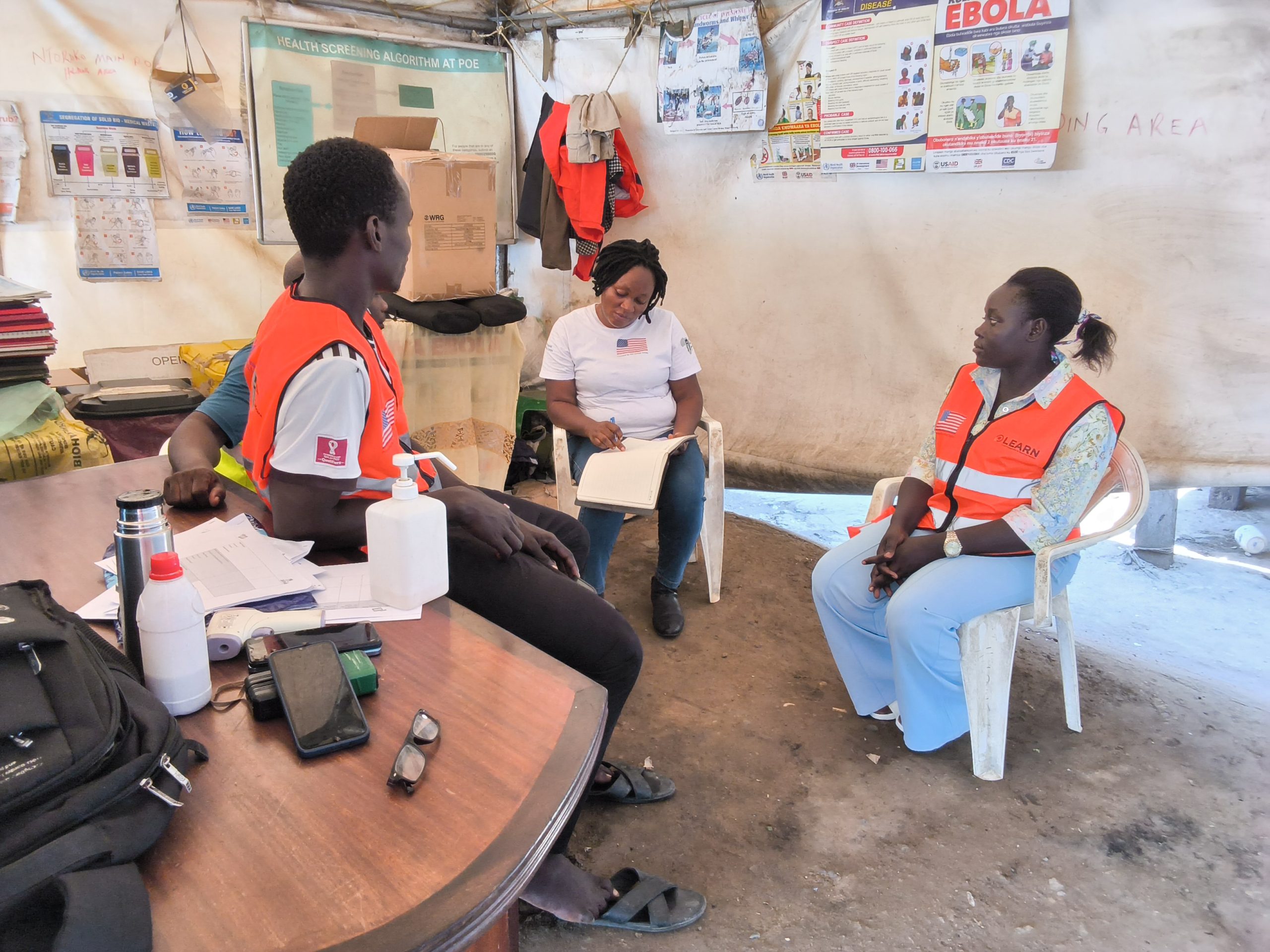
AHA-Uganda also evaluated five Points of Entry (PoEs), including those exempted from border closures for cargo transportation. These evaluations were conducted to ensure that screening mechanisms and response measures remain effective at critical transit points.
Building local capacity has remained central to the response. AHA delivered a one-day Infection Prevention and Control orientation training for 189 frontline stakeholders, including members of Ebola Task Forces, border screening personnel, patrol teams, and healthcare workers. The training focused on strengthening knowledge and practices necessary for preventing infection and safeguarding communities.
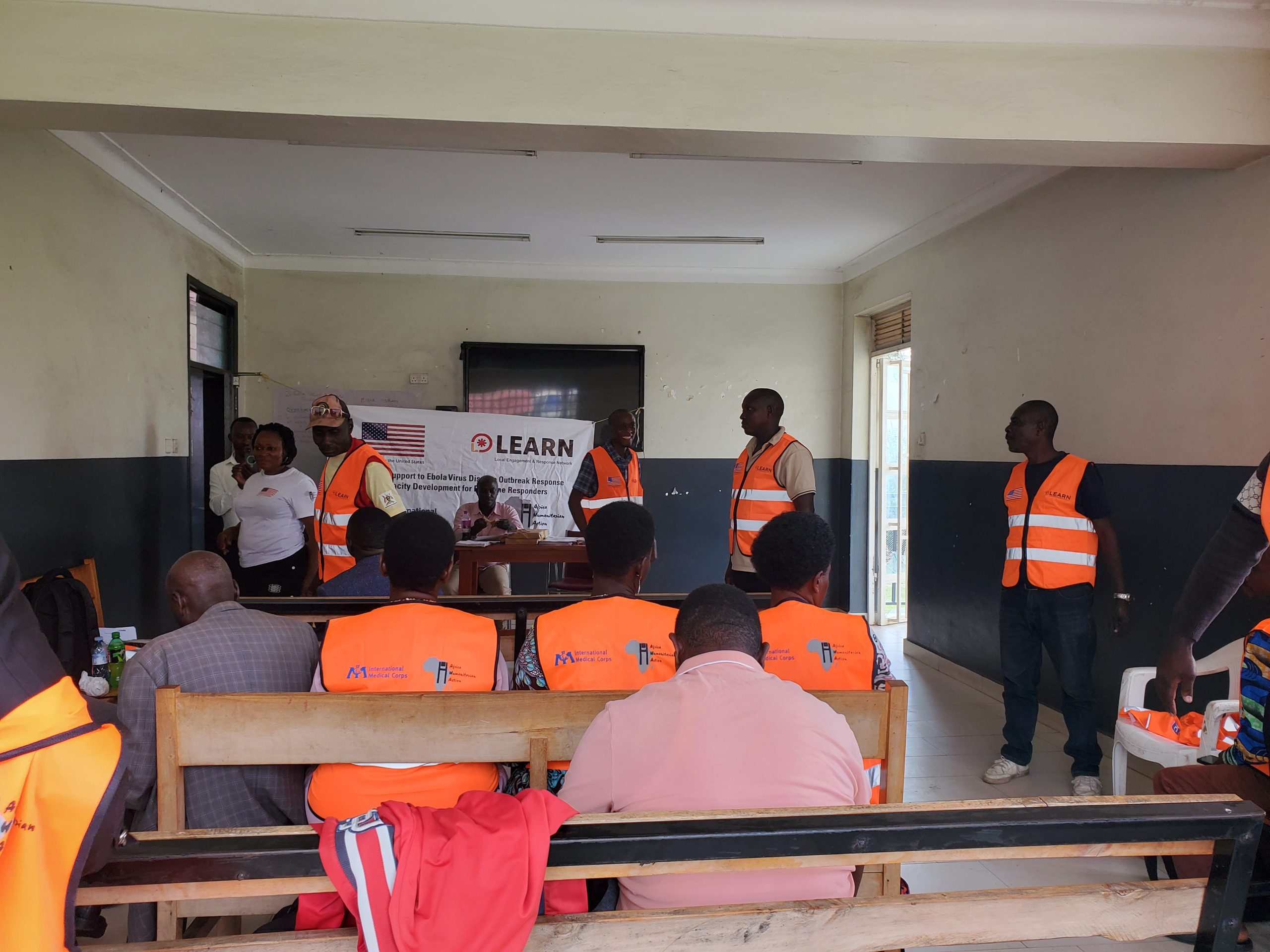
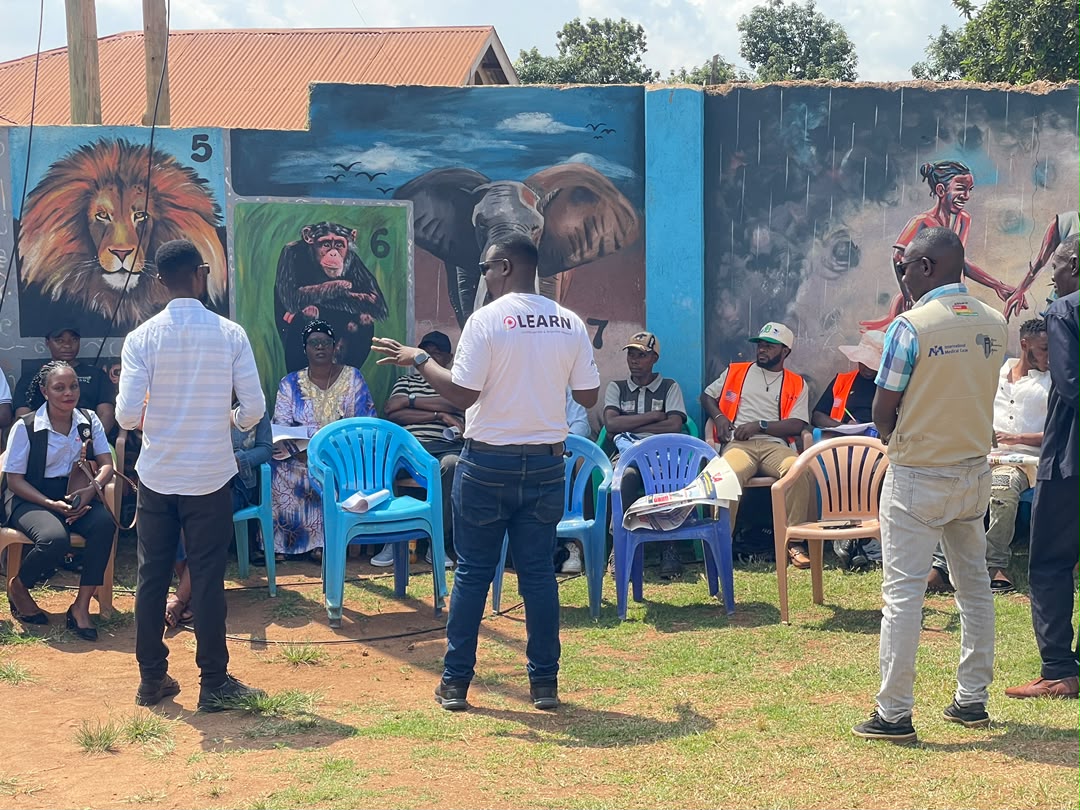
To further reinforce health system readiness, AHA-Uganda conducted a three-day IPC Training of Trainers (ToT) in Ntoroko District, reaching 41 staff members from ten health facilities. Each health center was represented by key personnel, including Officers in Charge, IPC focal persons, surveillance officers, and clinical staff. The training aimed to strengthen a network of frontline personnel equipped to disseminate essential IPC knowledge across their health facilities and communities.
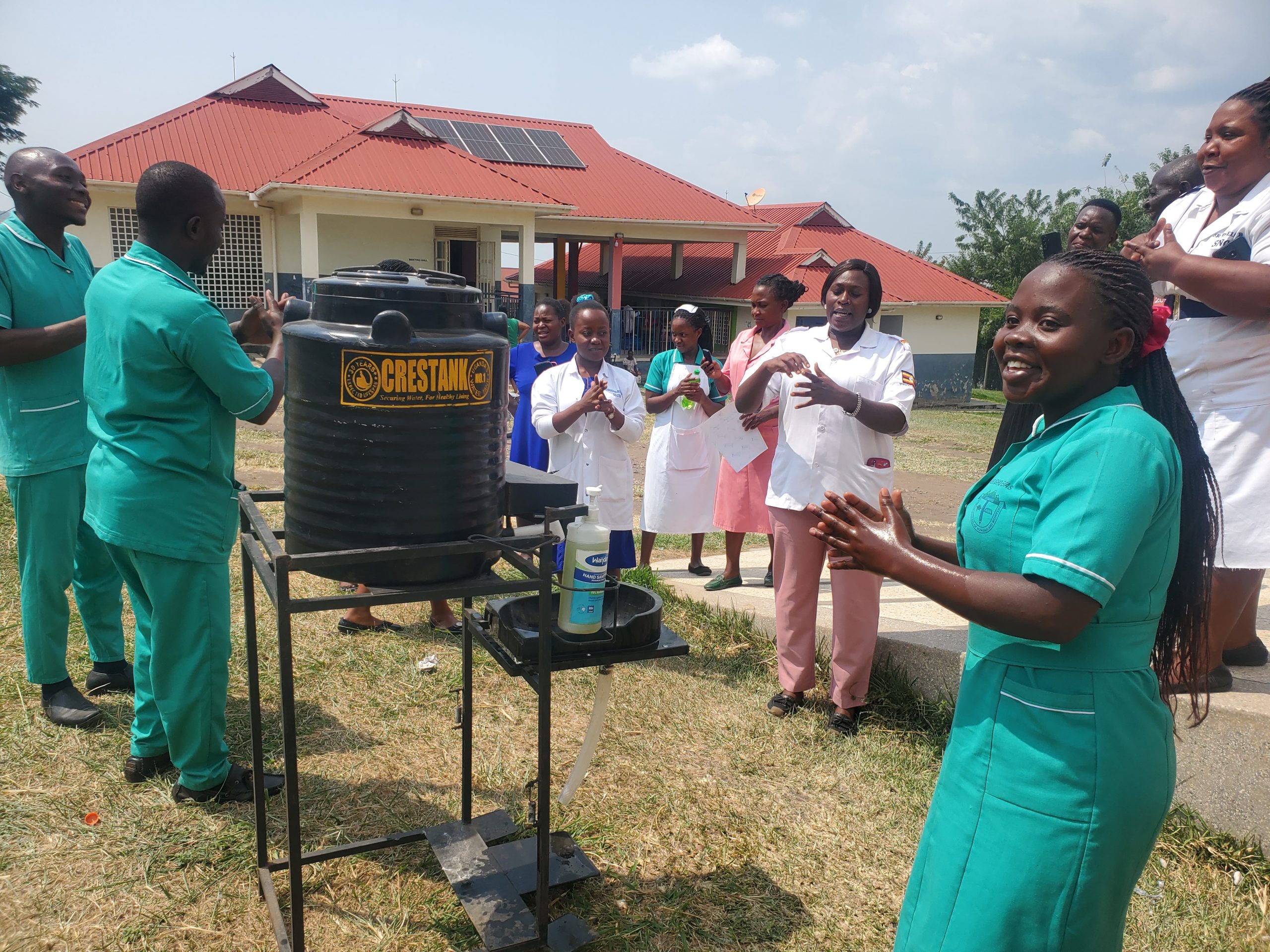
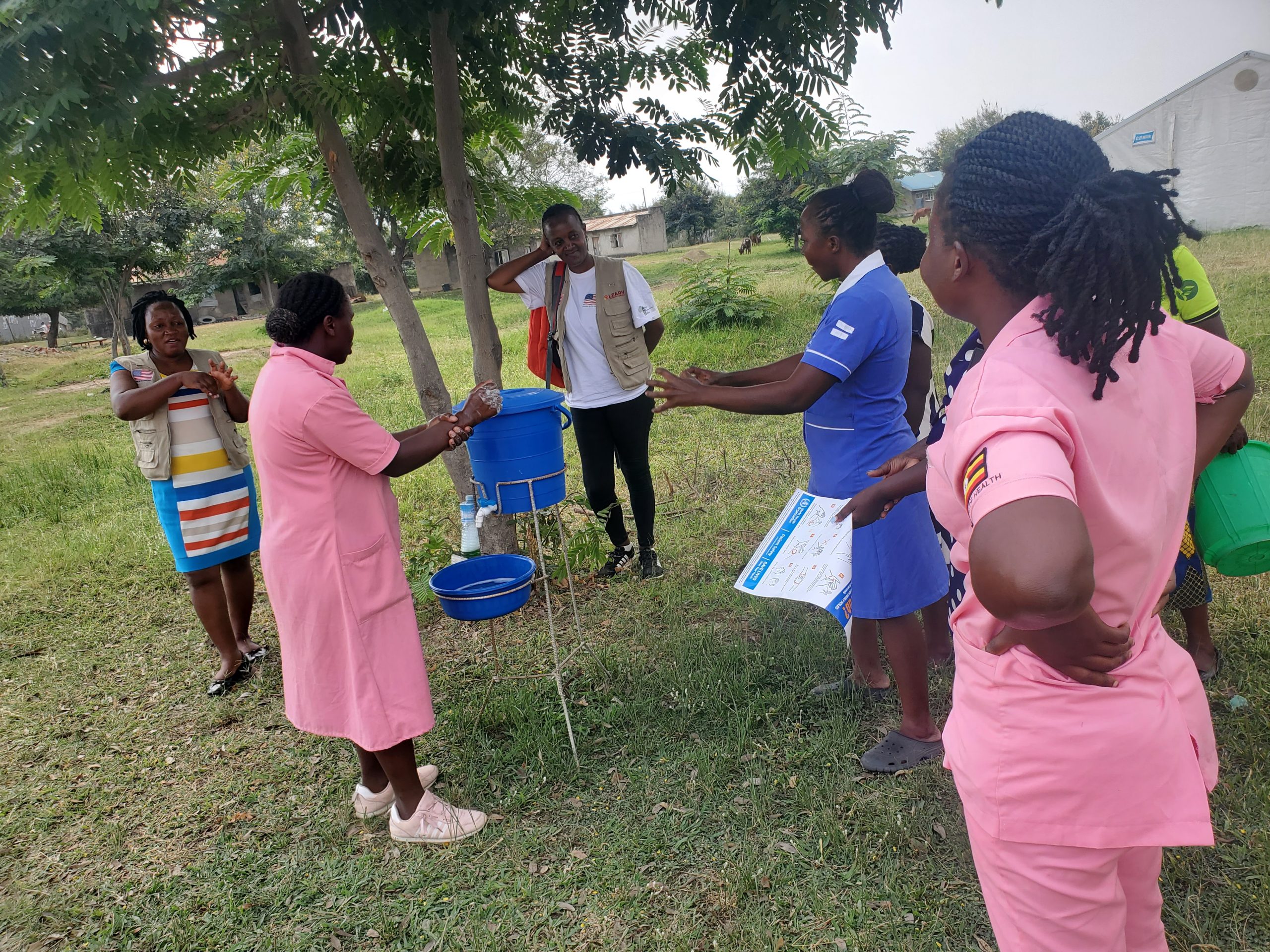
Through these efforts, AHA-Uganda continues to support Uganda’s preparedness and response capacity, ensuring frontline responders have the knowledge, tools, and systems needed to protect communities and contain the outbreak. AHA-Uganda continues to remain committed to supporting coordinated actions that safeguard lives and build resilience against public health emergencies.