Following the 1993 October Crisis that engulfed Burundi, around 700,000 people became refugees, displaced and regrouped people. Moreover, the economic sanctions that were imposed, also affected the economic and social sectors, particularly the health sector.
As of November 1996, AHA undertook successive preparatory missions assessing the needs and laying the ground for emergency preparedness and health assistance programmes. Late 1997, AHA entered Burundi by having designed a project to reinforce healthcare services aiming to cover the health needs of the population of the province in 17 camps. Once having set up this project, AHA continued on to start on a second project which focused on the mitigation/prevention of malarial in the province of Bubanza.
A stop to AHA’s programmes was made during the period of 1998 to 2002; however the last three months of 2002, AHA re-integrated Burundi where it facilitated the repatriation of 100,000 Burundese refugees from Tanzania To Burundi. The intervention provinces were those of Muyinga and Makamba. The assistance provided by AHA ranged from transportation and accommodation to providing emergency health services, information and education. At these points, services included vaccinations against Meningitis and other illnesses to ensure all refugees that were to be repatriated were in good health.
By early 2005, more asylum seekers had crossed the border from Rwanda, thus AHA had to organize mobile clinics and deploy its teams in the different provinces providing healthcare assistance aimed at around 150,000 returnees and host community in the Cankuzo Province.
Working in transit camps, situated at a number of entry points along the Tanzanian And Rwandan borders, AHA assisted in the provision of essential health and nutritional service, transportation, and works to mitigate the impacts of HIV/AIDS and other communicable diseases. 2006 was a year which saw AHA build on previous pilot projects aimed at strengthening and maximizing the medical assistance provided to returnees. It was ensured that a high standard of hygiene had been maintained in each transit camps.
In 2013, in addition to its continued works in providing medical assistance and nutritional support, AHA launched a three-pronged nutrition programs consisting of dry supplementary feedings and therapeutic feedings. A special emphasis was also placed on the sensitization to effective behavioral changes with the aim of achieving zero new HIV-related illnesses.
The outbreak of Ebola in 2014 prompted fear that it would spread into Burundi, hence AHA put in place screening mechanisms at the Cishemere Transit Centre and refugee camps. Major sensitization and training sessions were undertaken in the camps and surrounding communities,
AHA undertook individual and family counseling services as well as community sensitization programmes on Mental Health. Psychiatric Help, Recreational Activities and Home Visits to patients were also provided.
The activities carried out in 2016 contributed to the same objective of improving the health conditions of all the beneficiaries by strengthening the quality of primary healthcare provided in the camps. Prevention and reduction of prevalence of malnutrition and anaemia were a major focus. AHA had further strengthened acute malnutrition management activities according to the National Protocol and has systematically reinforced the nutritional surveillance system at all health and community levels, with strategies for the prevention and treatments of diseases that aggravate and cause malnutrition.
AHA Burundi came to a close by end of 2016 with a smooth transition of its programmes to the respective line ministries.



Nutrition

Wash

healthcare

Livelihood

Protection

Food Security

Shelter

Logistics

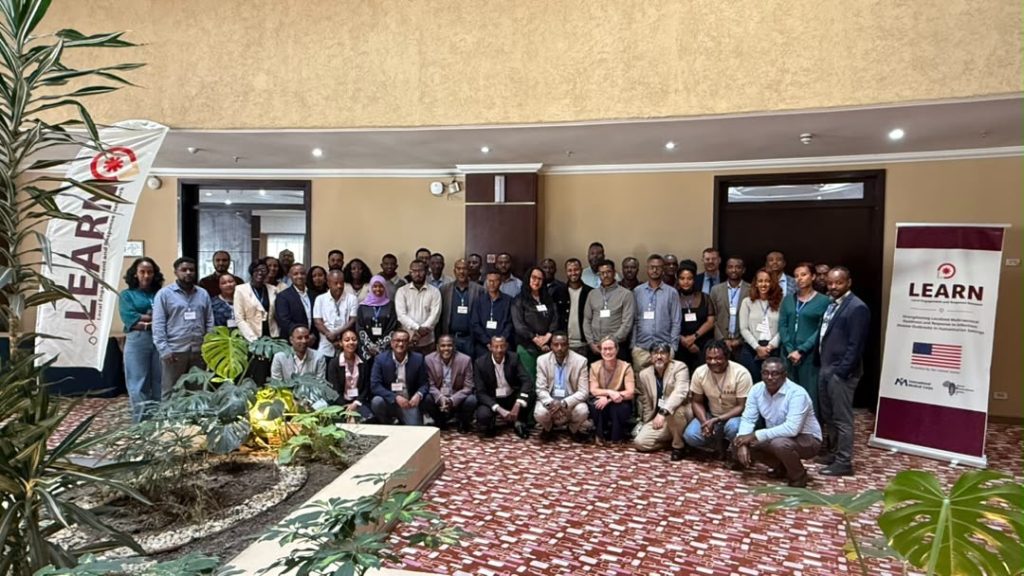
AHA and IMC Strengthen Rapid Response Capacity Through Advanced RRT Training in Addis Ababa
The ability to detect public health threats early and respond quickly can make a critical difference in protecting communities. Effective
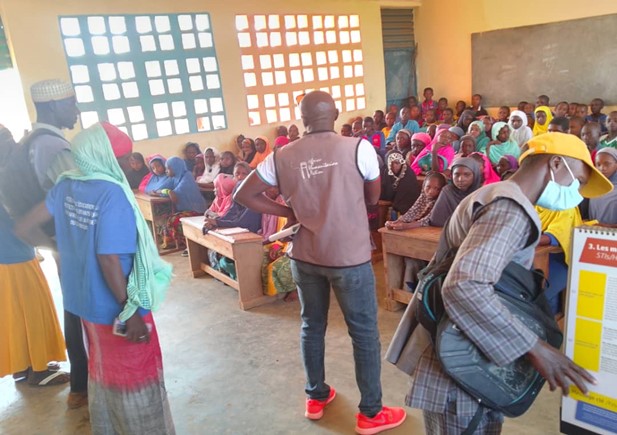
Keeping Refugee Families Healthy in Cameroon: Building Care That Lasts
For more than a decade, Cameroon has provided refuge to people fleeing the Central African Republic (CAR). Currently, more than

Statement on the Passing of Mr. Tafese Belete
Africa Humanitarian Action (AHA) extends its deepest condolences on the passing of veteran Ethiopian journalist Mr. Tafese Belete, whose distinguished
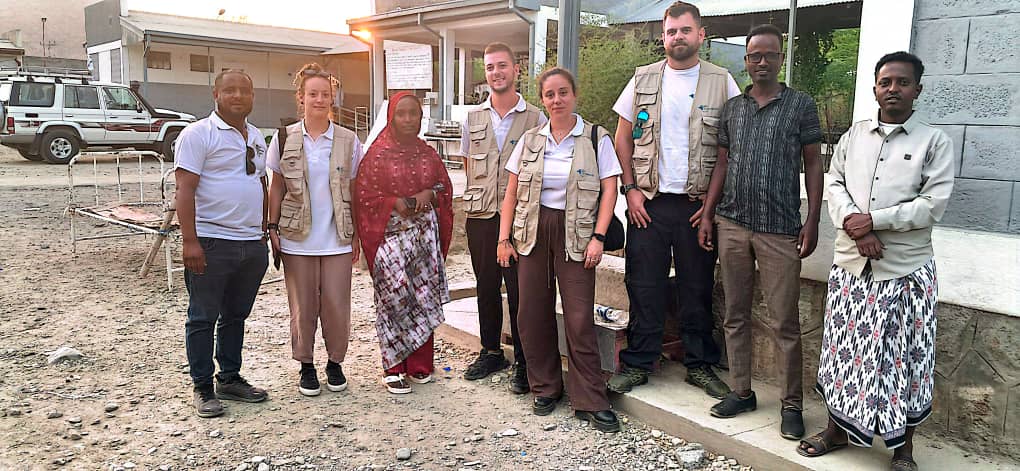
Building Resilience in Berhale, Afar: AHA-Ethiopia’s Mid-Year Impact
In Ethiopia's Afar Region, consecutive droughts, displacement, rising food prices, and limited access to healthcare continue to place enormous pressure
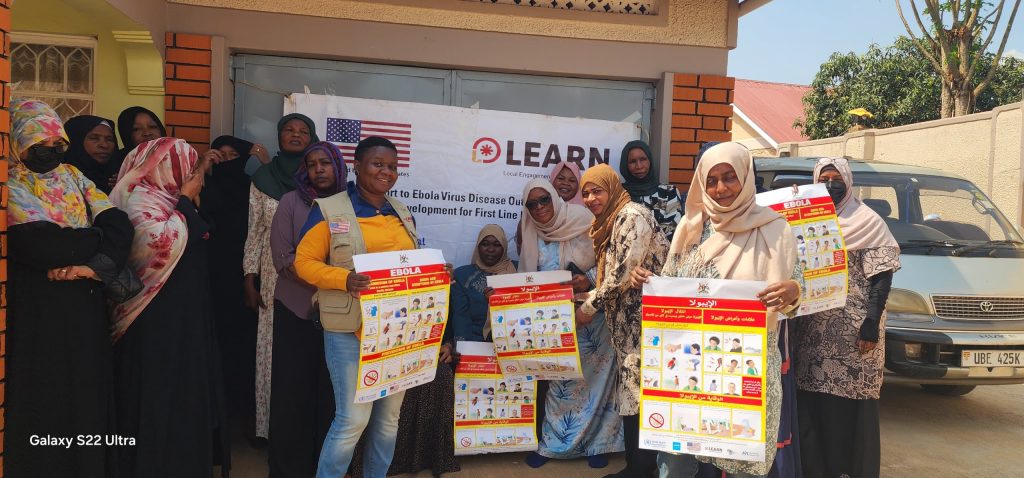
AHA-Uganda strengthens Ebola Response in Kampala, Bundibugyo and Ntoroko under the LEARN Project
As Uganda intensifies its response to the Bundibugyo Ebola virus outbreak, Africa Humanitarian Action (AHA)-Uganda, through its partnership with the