In Ethiopia's Afar Region, consecutive droughts, displacement, rising food prices, and limited access to healthcare continue to place enormous pressure on families already struggling to meet their basic needs. In Berhale Woreda, refugees and host communities face these challenges side by side, competing for scarce resources while trying to rebuild.
During the first half of 2026, Africa Humanitarian Action (AHA) Ethiopia, with the support of Farmamundi, the Hilton Foundation, and the Catalan Agency for Development Cooperation (ACCD), worked to ensure that vulnerable communities were not only able to survive today's crises but were also better prepared for tomorrow's.
For many families in Berhale, a functioning health facility can mean the difference between life and death. Yet recurring emergencies had left local health services struggling with shortages of essential medicines and medical supplies. Through donor support, AHA-Ethiopia delivered essential medicines and medical supplies to Berhale Primary Hospital, helping restore uninterrupted primary healthcare services for refugees and vulnerable host communities. The supplies strengthened the hospital's ability to treat communicable and non-communicable diseases, provide maternal and child healthcare, respond to emergencies, and reduce the risk of medicine stock-outs.
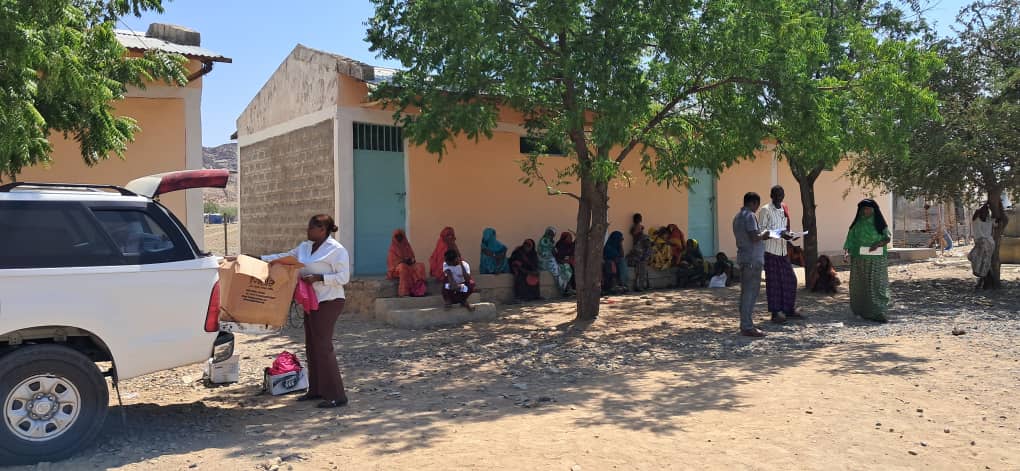
Beyond the delivery itself, AHA-Ethiopia worked closely with local health authorities to strengthen accountability, improve medicine management, and ensure these resources reach those in need.
To households that have lost livestock, income, and productive assets due to repeated drought and conflict, AHA-Ethiopia provided monthly unconditional cash assistance to 132 of the most vulnerable households across seven kebeles in Berhale Woreda. This predictable support enabled families to purchase food, pay for water and healthcare, keep children in school, and meet other urgent household needs during one of the most difficult periods of the year.
Recognizing that emergency assistance alone is not enough, AHA-Ethiopia paired humanitarian support with long-term livelihood recovery. Five women-led income-generating groups were established, bringing together 25 women from vulnerable households to launch goat fattening and livestock trading enterprises. The groups received organizational support, developed business plans, opened formal bank accounts, and completed the legal registration process, laying the foundation for sustainable businesses that can generate income long after humanitarian assistance ends. This approach represents a deliberate shift from dependency toward self-reliance—empowering women to strengthen household resilience while contributing to local economic recovery.
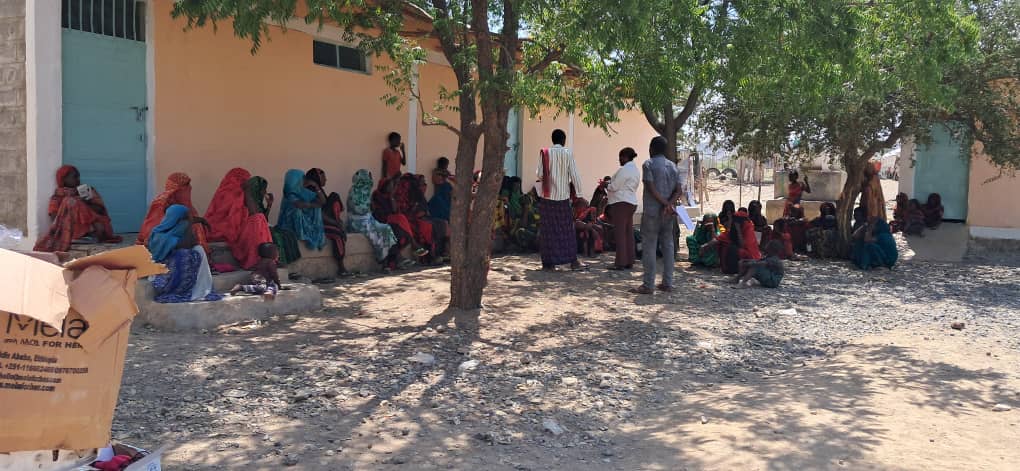
AHA-Ethiopia understands that effective humanitarian action begins with understanding people's realities and conducted comprehensive food security, vulnerability, and market assessments involving hundreds of households across Berhale Woreda. These assessments confirmed that although local markets remain functional, households' purchasing power continues to be severely constrained by drought, livestock losses, and declining incomes.
The findings validated the use of cash assistance while highlighting the importance of coupling financial support with livelihood opportunities and ongoing market monitoring. Regular post-distribution monitoring and beneficiary feedback surveys also ensured that assistance remained accountable, reached intended recipients, and continued to respond to community priorities.
While humanitarian needs remain urgent, sustainable recovery requires stronger systems.
During the first half of the year, AHA-Ethiopia laid the technical and operational foundations for a new integrated Water, Sanitation and Hygiene (WASH), Health, Sexual and Reproductive Health, and Protection programme.
Working alongside government institutions and local communities, the team completed technical assessments of priority water sources, established Water Management Committees, finalized procurement plans for hygiene and dignity kits, developed training materials for health workers, and strengthened coordination mechanisms that will guide implementation throughout the remainder of the project.
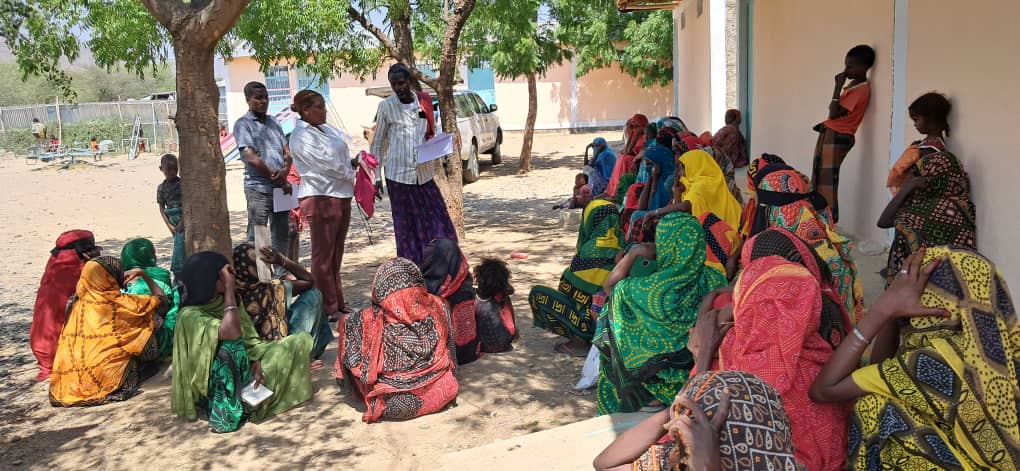
These preparatory investments ensure that future activities are not only delivered efficiently but are also community-owned, technically sound, and sustainable.
AHA-Ethiopia worked closely with regional and woreda government offices, community leaders, technical experts, and local partner ACCIDA to ensure that interventions reflected community priorities, strengthened local ownership, and aligned with government systems.
By integrating gender equality, accountability, disability inclusion, and community participation across every programme component, AHA-Ethiopia continues to place affected people at the centre of humanitarian action.
The efforts made are more than delivering assistance—it was about creating the conditions for lasting impact.
In the months ahead, AHA-Ethiopia will accelerate implementation by rehabilitating priority water systems, distributing hygiene and dignity kits, expanding access to essential medicines, strengthening sexual and reproductive health services, delivering goats to women-led livelihood groups, and scaling up resilience-building activities across Berhale Woreda.
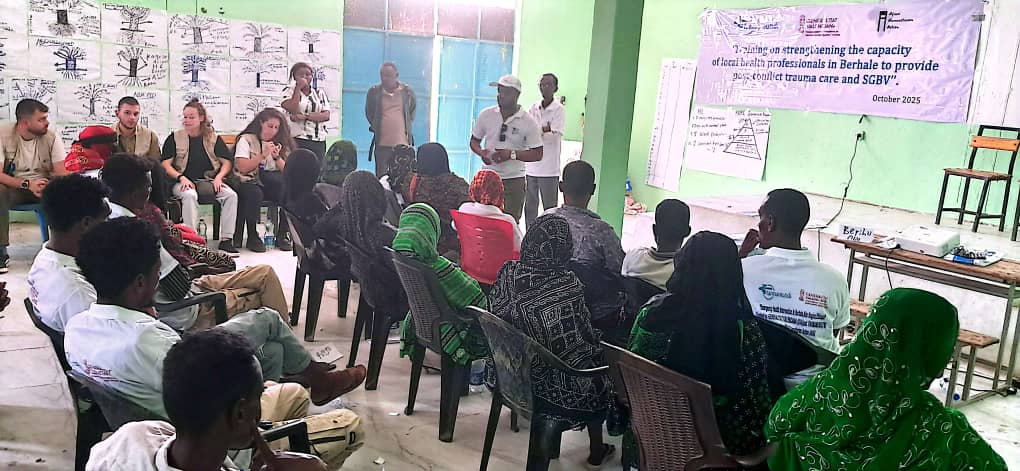
Continued donor investment will enable AHA-Ethiopia to move beyond emergency response and help vulnerable refugee and host communities build healthier, safer, and more resilient futures. Every investment made further strengthens local systems, restores dignity, and gives families the opportunity not only to recover from crisis but to build a better future.