AHA began its work in Zambia, January 2000, as a response to the serious conditions created by the influx of refugees from Angola, Burundi, DRC, and Rwanda. The great majority of the refugees were Angolans. AHA started as an implementing partner of the UNHCR, and was providing Emergency Health, Nutrition And Sanitation services in the settlement area of Mayukwayukwa.
AHA catered both for refugees, whose numbers were well over 18,000 by the end of the year and for more than 9,000 Zambians in the local community.
High mortality rates, especially among small children, as a result of malnutrition and debilitating illnesses, were the utmost emergency situation AHA had to deal with. As a response to this immediate problem, health service centers were built on a community-based referral system. By the end of the year 2000, the prevalence of malnutrition had been reduced to 2% from 36.2%.
Not only did AHA organize village health and sanitation committees and sanitation hygiene campaigns, it constructed family pit latrines for 300 vulnerable families and supervised the building of another 2,000.
In July 2001, AHA also assumed responsibility for the Nyangweshi refugee camp, by taking over the Health and Nutrition Services in the camp from MSF- Holland. The mainly Angolan population numbered 14,000 in July but steadily rose to over 23,000 by the end of the year. The surrounding Zambian community was a whopping 5,000.
The projects were responsible for over 22,000 refugees in each camp and on average about 5,000 local residents in the surrounding areas. These projects were supported by a wide variety of local and international organizations – UNHCR, ECHO, UNICEF, WFP, The Italian Government, and the local partners at the MoH.
Due to the large number of new arrivals during the Last Quarter of 2001, AHA started the 2002 year with a high refugee caseload; however this did not keep it from being able to well manage and control the health and nutrition problem. AHA had three nutrition programmes: Therapeutic Feeding, Wet or Supplementary Feeding, and Dry Feeding programmes.
At this time in Zambia, refugees number had reached 250,000 – 190,000 from Angola, 50,000 from DRC and nearly 7,000 from Rwanda and Burundi.
By this time, in Mayukwayukwa, the construction of rural health center and nutrition feeding centers were top priority. The outpatient department of the health center was also renovated and a satellite clinic at Shibanga was completed.
In Nangweshi, the health center was fully operational and equipped with all the required clinical and laboratory materials. It also included a fully functional delivery room with a capacity for up to 24 in-patients. Construction of a new clinic at Kanja was also under way.
By 2004, AHA had reached some 30,000 refugees in Mayukwayukwa camp and over 20,800 in Nangweshi.
2005 saw quite a number of refugees repatriating back home. This led to the number of refugees in the three camps to drop significantly. By the end of 2005, AHA had assisted 63,324 Angolan refugees to return home by providing them with medical screening and medical escorting.
2006 proved to be a very significant year for AHA as it managed the safe and dignified relocation and repatriation of another estimated 12,000 Angolan refugees ensuring they do not experience detrimental health effects and nutritional status. The two clinics kept providing health services which marked the overall improvement of health and wellbeing of the affected populations, resulting in a reduction in the number of referrals to other health establishments. The nutrition, water and sanitation works were still ongoing.
Programmes were ongoing until 2010 by which time a comprehensive and easily accessible healthcare and nutrition services were provided to urban and transiting refugees as well as asylum seekers. Geared to provide durable solution for urban refugees through local integration, activities, other than those already in place, included: Laboratory, In and Outpatient Services, Ante and Postnatal Care, Reproductive Health and Education. AHA was dedicated to provide the necessary information and services through education and communication campaigns to enable and empower vulnerable communities mitigate the impacts of STD’s and HIV/AIDS.



Nutrition

Wash

healthcare

Livelihood

Protection

Food Security

Shelter

Logistics

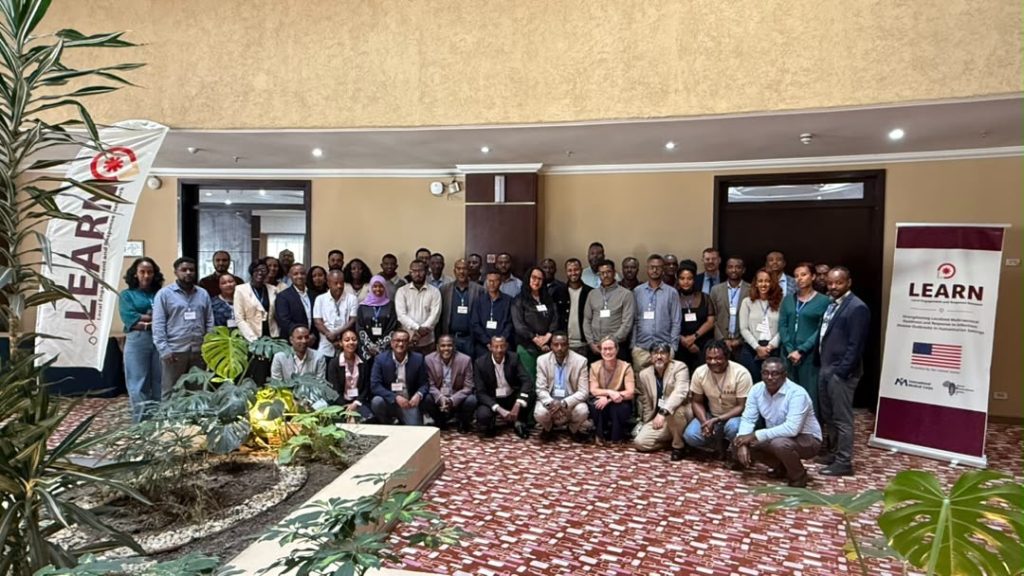
AHA and IMC Strengthen Rapid Response Capacity Through Advanced RRT Training in Addis Ababa
The ability to detect public health threats early and respond quickly can make a critical difference in protecting communities. Effective
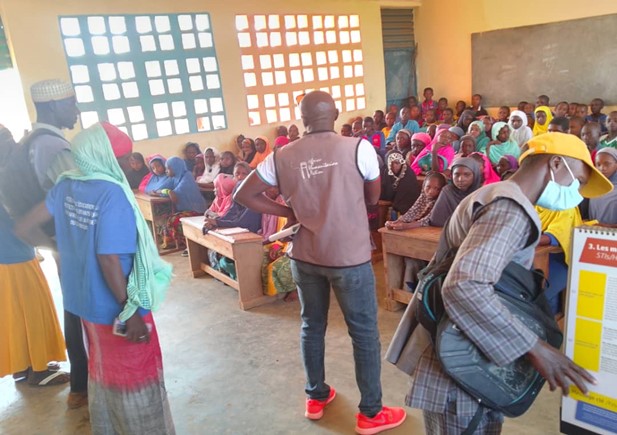
Keeping Refugee Families Healthy in Cameroon: Building Care That Lasts
For more than a decade, Cameroon has provided refuge to people fleeing the Central African Republic (CAR). Currently, more than

Statement on the Passing of Mr. Tafese Belete
Africa Humanitarian Action (AHA) extends its deepest condolences on the passing of veteran Ethiopian journalist Mr. Tafese Belete, whose distinguished
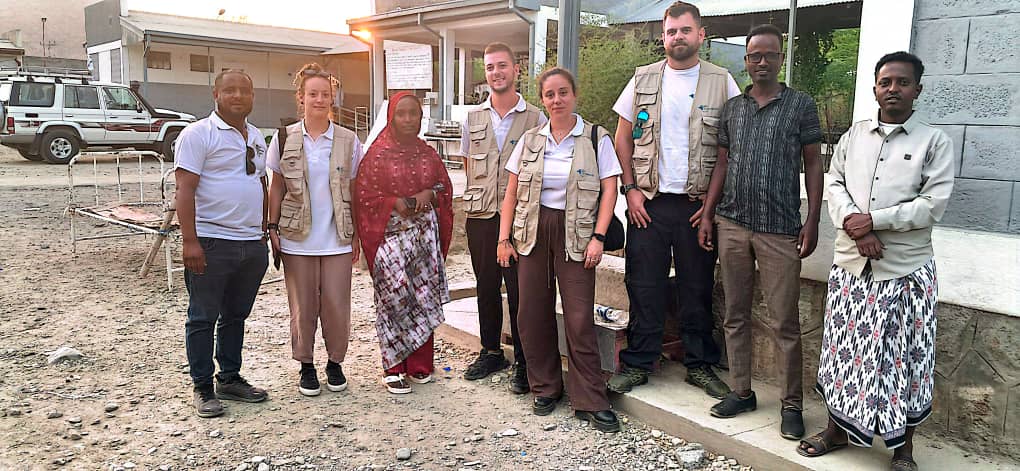
Building Resilience in Berhale, Afar: AHA-Ethiopia’s Mid-Year Impact
In Ethiopia's Afar Region, consecutive droughts, displacement, rising food prices, and limited access to healthcare continue to place enormous pressure
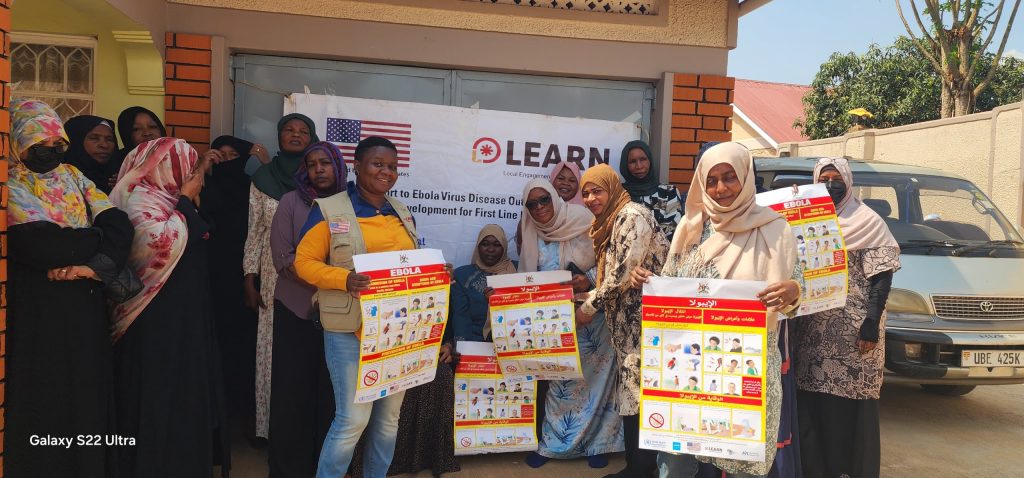
AHA-Uganda strengthens Ebola Response in Kampala, Bundibugyo and Ntoroko under the LEARN Project
As Uganda intensifies its response to the Bundibugyo Ebola virus outbreak, Africa Humanitarian Action (AHA)-Uganda, through its partnership with the