The ability to detect public health threats early and respond quickly can make a critical difference in protecting communities. Effective response depends on having trained teams who can work together, assess risks, investigate suspected outbreaks, and take timely action.
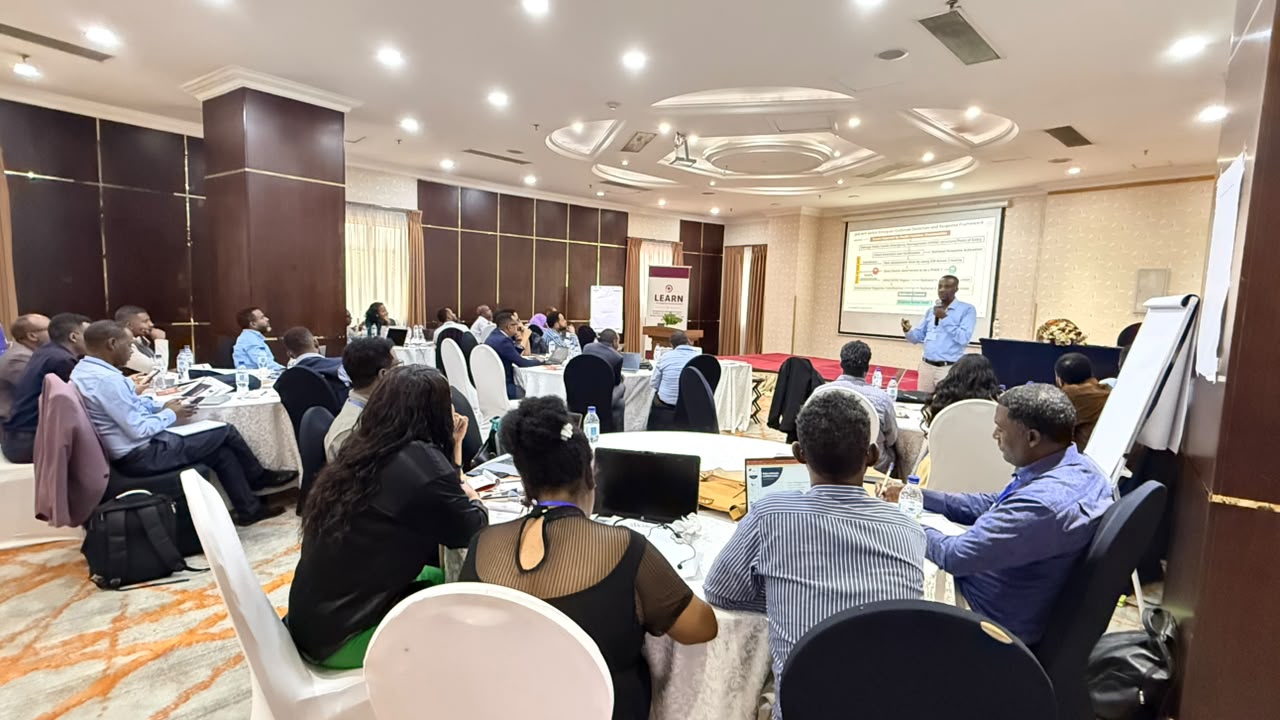
To strengthen this capacity, African Humanitarian Action (AHA), in partnership with International Medical Corps (IMC) through the Local Engagement & Response Network (LEARN) project, conducted a six-day Advanced Rapid Response Teams (RRTs) Training for local NGOs from 21-26 September 2026. Participating organizations included Positive Action for Development (PAD), Beza Posterity Development Organization (BPDO), Tigrai Development Association (TDA), Ethiopian Evangelical Church Mekane Yesus (EEC-MY), Gurmuu Development Association, and Action for Integrated Sustainable Development (AISDA).
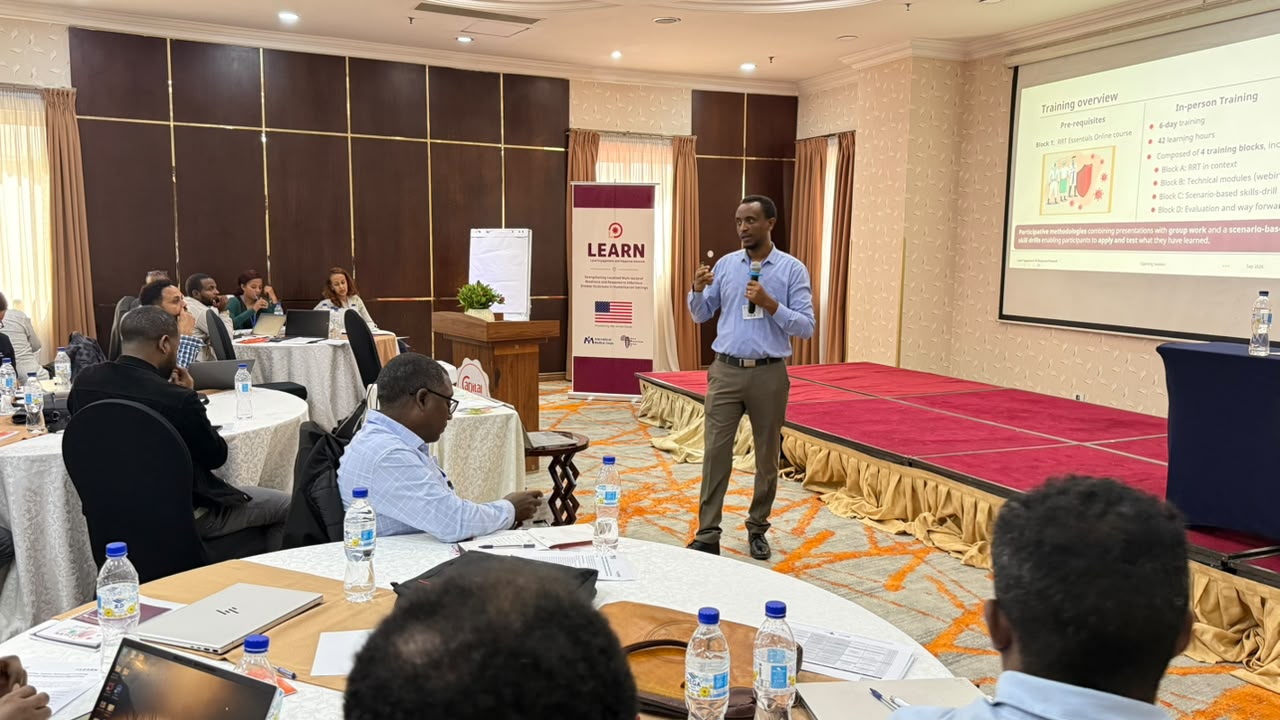
The training aimed to strengthen participants' knowledge and practical skills to detect and effectively respond to public health events, regardless of their origin or source, that could pose significant risks to human health.
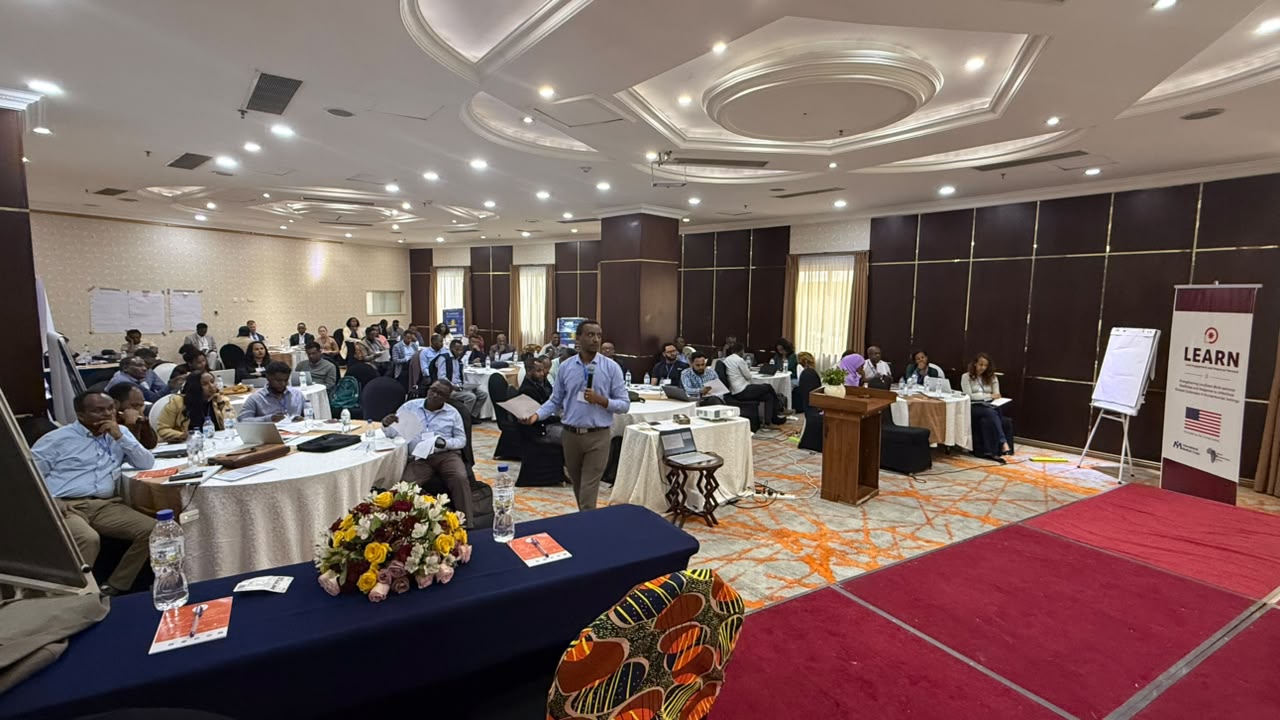
Building strong, coordinated response teams is essential for combating public health emergencies, which require expertise from different areas to come together. During the six-day training, participants strengthened their ability to work as functional multidisciplinary teams, supporting coordinated decision-making and effective response when called upon by public health authorities.
The training strengthened participants' capacity to conduct epidemiological investigations of suspected cases, helping response teams determine whether an outbreak is occurring and identify appropriate measures to control its spread.
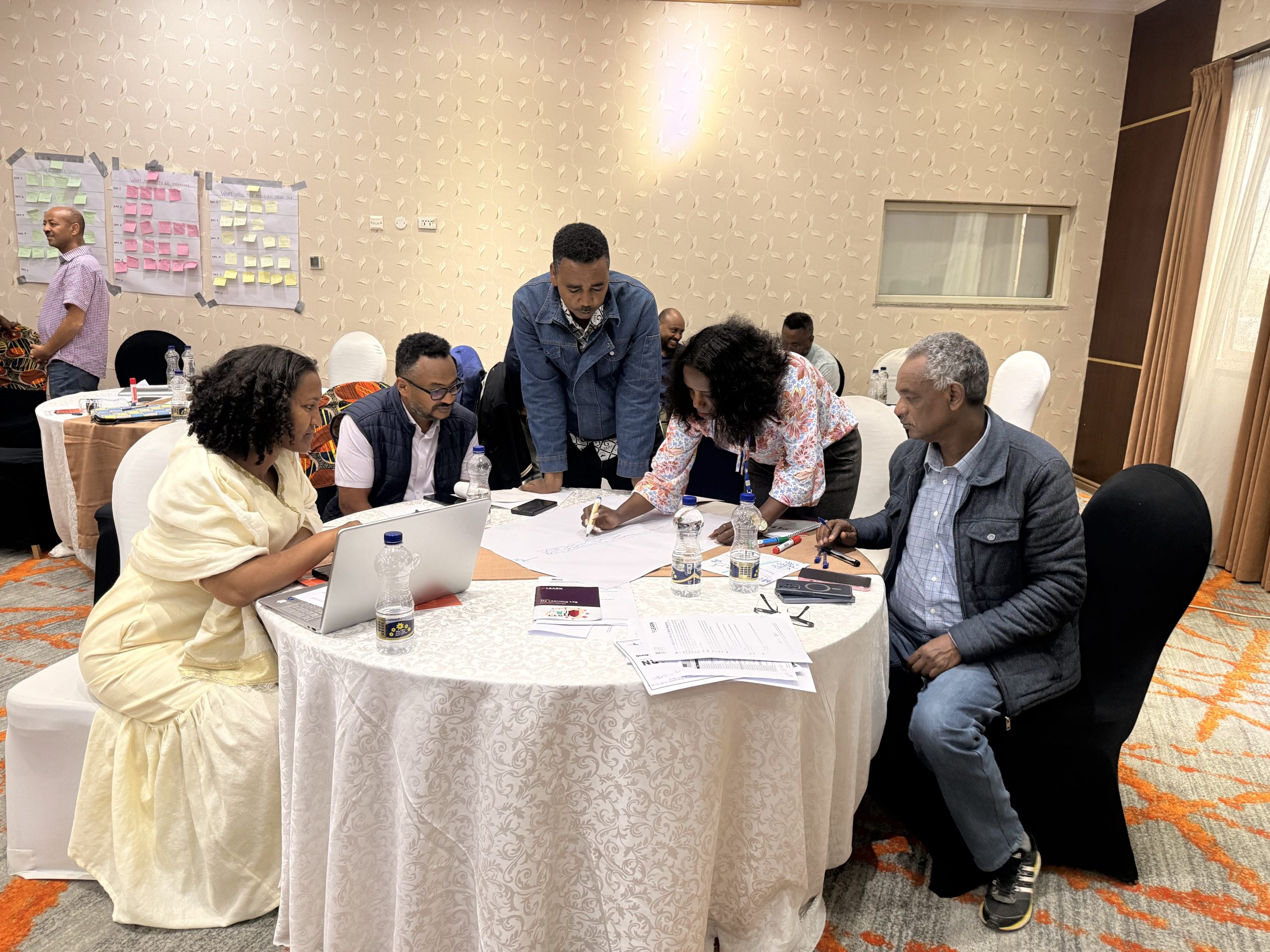
Turning timely and reliable information into action is at the heart of an effective public health response. Participants strengthened their ability to collect, analyze, and interpret data to support evidence-based decisions during public health events.
They also developed skills in active case finding and contact tracing, enabling teams to identify potential cases and contacts and support measures to interrupt transmission.
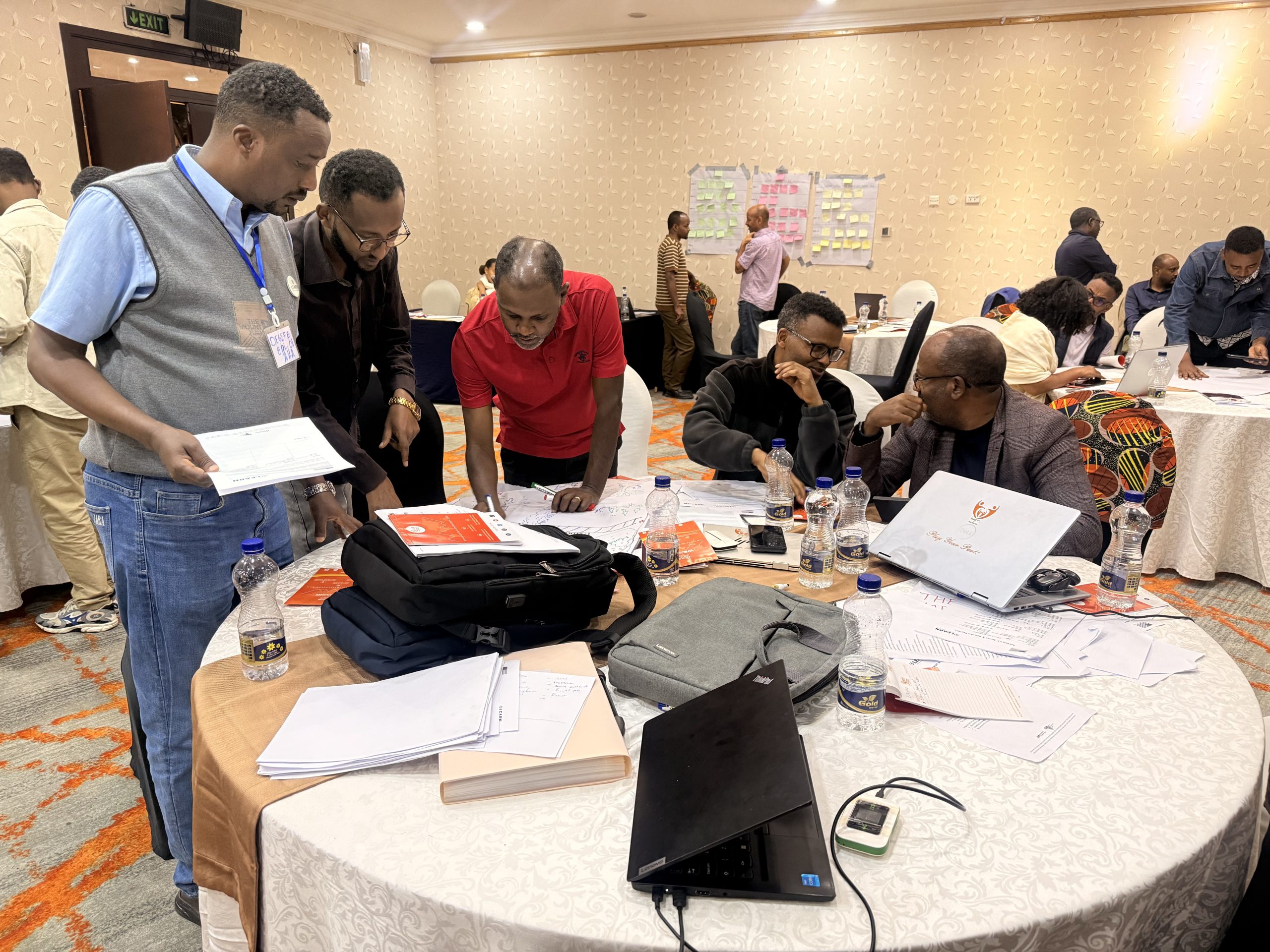
Alongside surveillance and investigation, the training emphasized Infection Prevention and Control (IPC). Participants learned to apply appropriate IPC measures based on risk assessments, helping protect both communities and frontline responders during field activities.
Working in emergency settings can expose response teams to a range of occupational risks. The training therefore addressed how to identify and manage occupational health and safety risks and hazards during field deployments. Participants also strengthened their knowledge of the safe packaging and transportation of laboratory samples, an important component of ensuring that specimens are handled appropriately from the field to the laboratory.
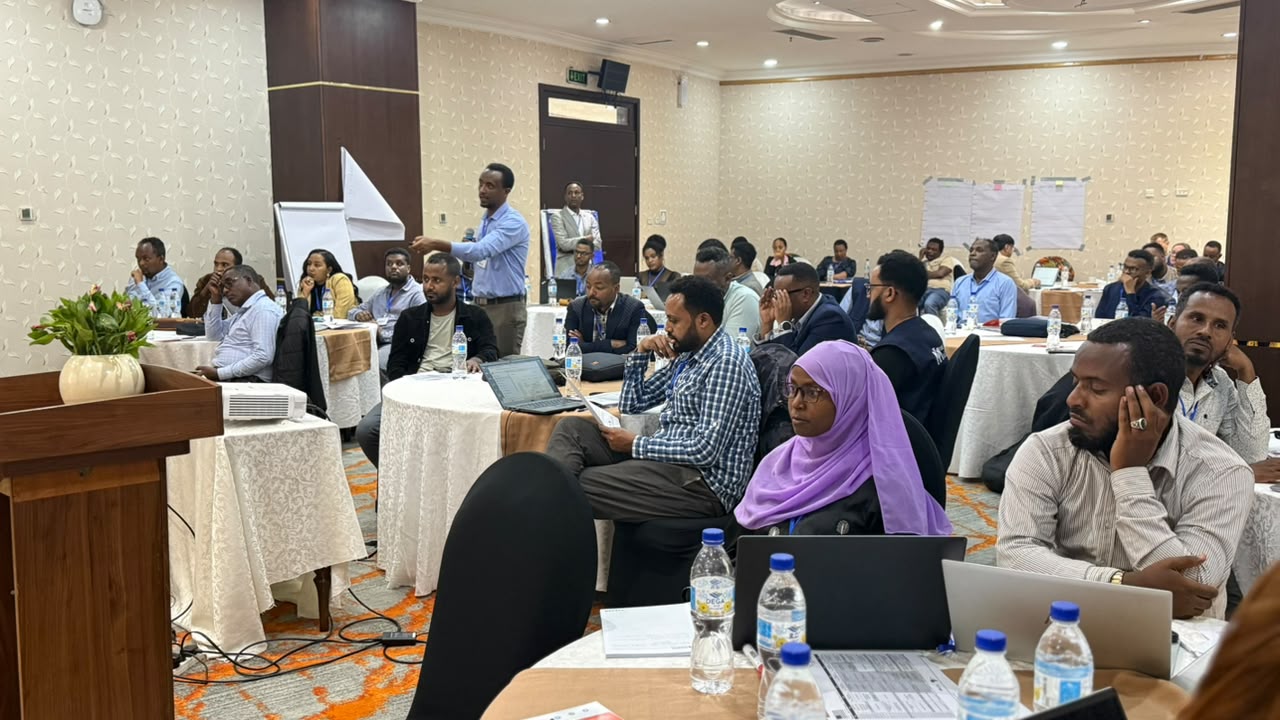
The training further emphasized the importance of ethical principles in public health response, ensuring that emergency interventions respect the rights, dignity, and safety of affected people.
Technical response measures are most effective when communities understand them and can participate in the response.
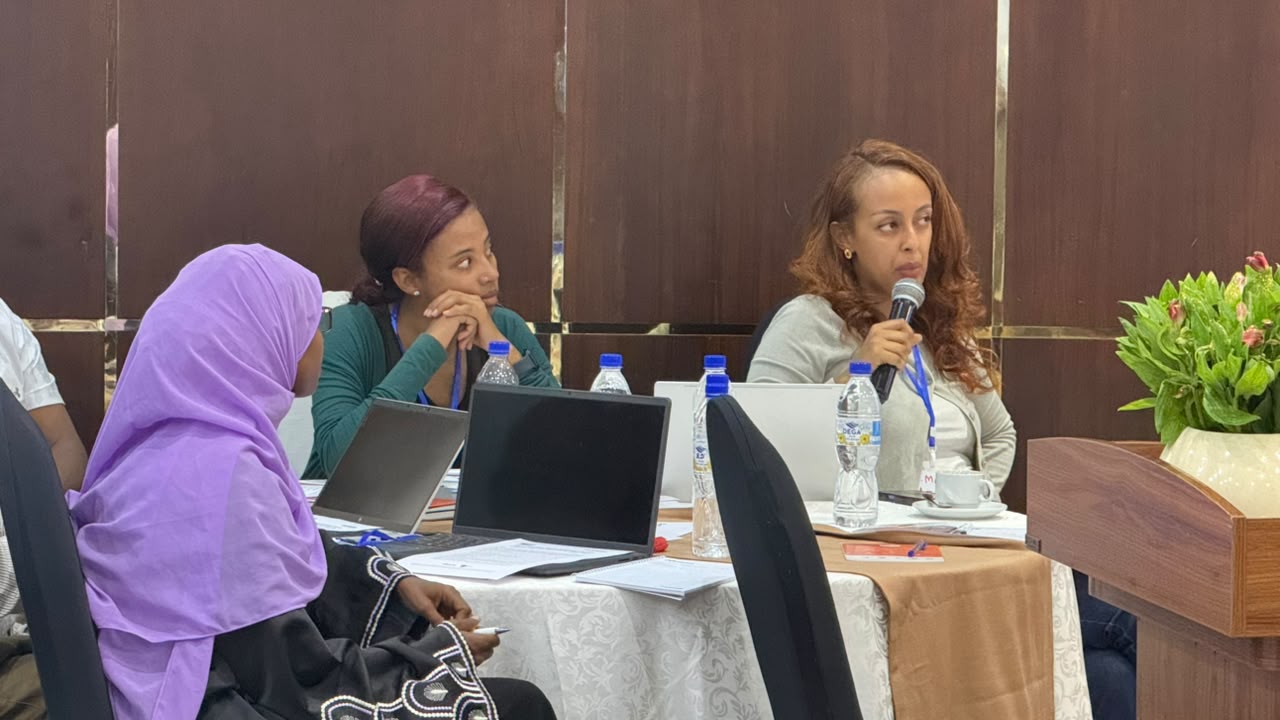
Thus, the training placed strong emphasis on risk communication and community engagement. Participants strengthened their ability to develop and deliver risk messages using communication channels and approaches suited to different audiences and situations.
They also explored ways to engage communities in culturally appropriate ways throughout different phases of a public health event. This helps response teams build trust, address concerns, and support communities to take appropriate actions during emergencies.
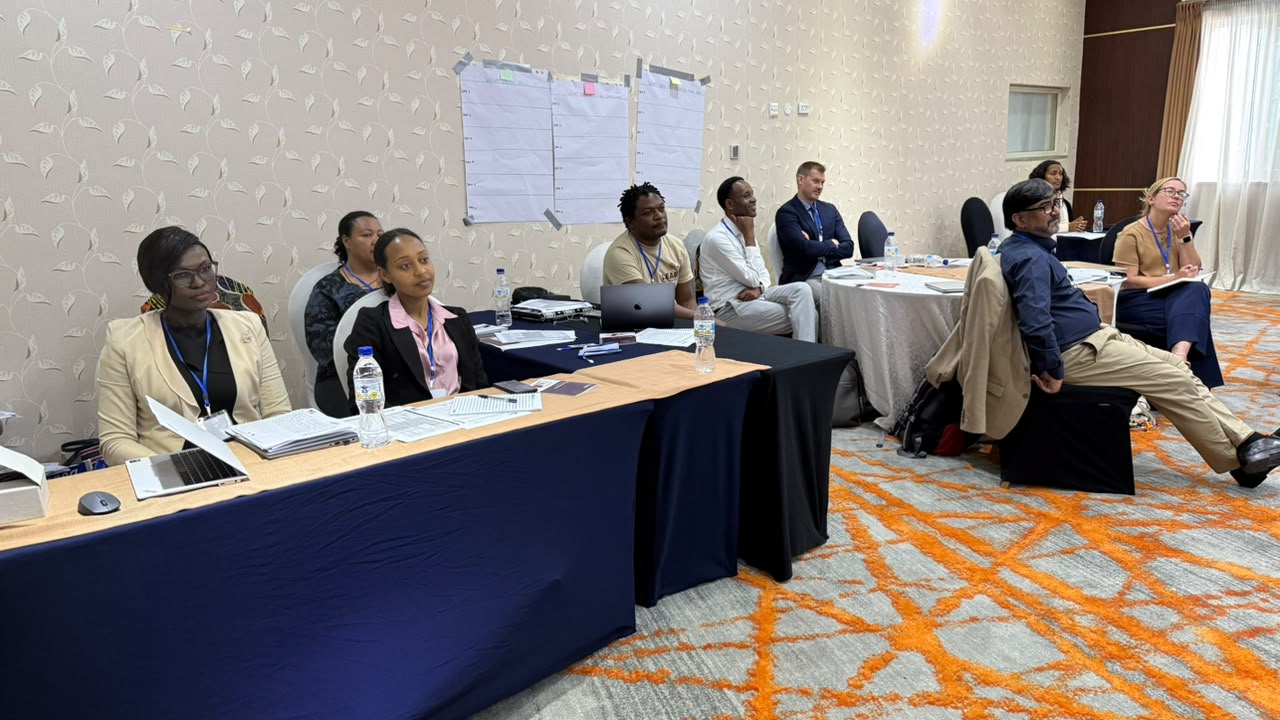
The six-day Advanced RRT Training contributes to strengthening the pool of skilled responders who can support the detection, investigation, and management of public health events in Ethiopia.
By bringing together participants from different organizations and regions, and strengthening both technical and coordination skills, AHA and IMC through the LEARN project are supporting a more prepared and responsive public health workforce — one better equipped to identify threats early, make evidence-informed decisions, protect frontline workers, and engage communities when emergencies occur.