For more than a decade, Cameroon has provided refuge to people fleeing the Central African Republic (CAR). Currently, more than 250,000 refugees are hosted across the East, Adamawa, and North regions of the country.
However, as the humanitarian crisis becomes increasingly protracted and international funding continues to decline, providing healthcare is becoming more challenging. At the same time, voluntary repatriation has been suspended due to the situation in CAR.
For refugee families, however, healthcare cannot wait.
That is why African Humanitarian Action (AHA) in Cameroon is working not only to provide essential healthcare today, but also to help build a health system that can continue serving refugee communities tomorrow.
Delivering essential healthcare to families who need it most is one of AHA-Cameroon’s key priorities. During the first half of 2026, AHA-Cameroon continued providing refugees with primary healthcare, nutrition, reproductive health, HIV/AIDS services, and emergency and critical care.
Children under five, pregnant women, and people facing life-threatening or critical health conditions remain among those receiving the greatest attention.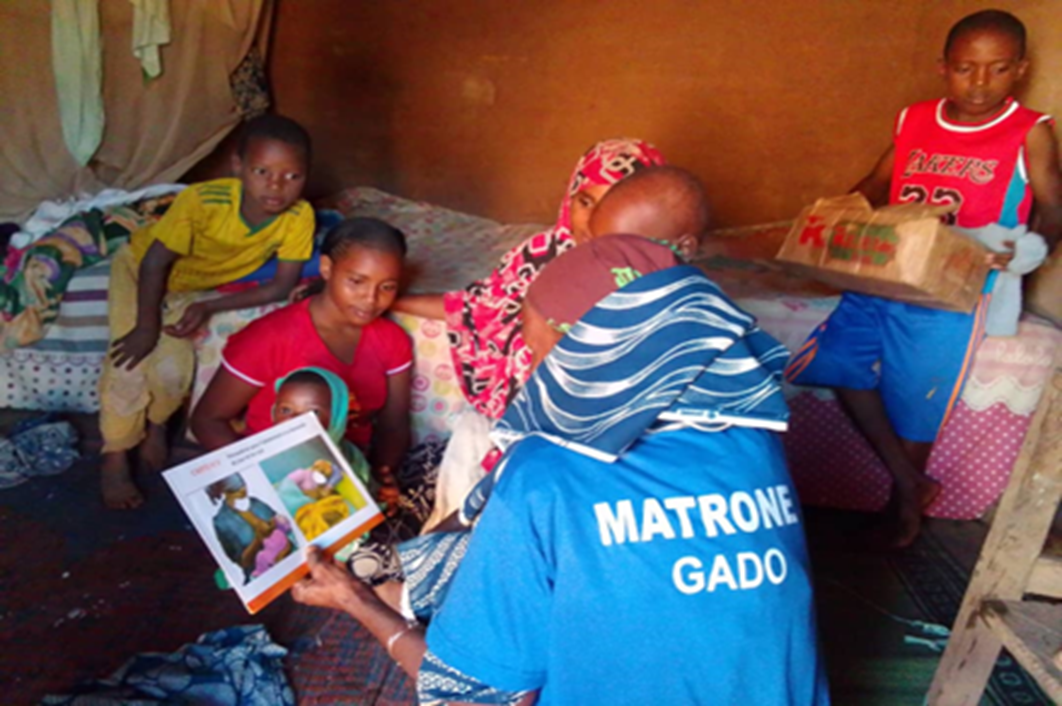
Across supported health services, 24,678 consultations were provided. Children under five accounted for 13,370 consultations, highlighting the continued importance of accessible healthcare for young children.
AHA-Cameroon also strengthened partnerships with public health facilities in areas with high refugee populations, including Mandjou, Ndokayo, and Meiganga, helping refugees maintain access to essential services during a period of transition.
For pregnant women, access to skilled healthcare can make the difference between a safe delivery and a life-threatening emergency.
In the first half of 2026, 95.7% of births were attended by skilled health personnel, exceeding the stated target of more than 95%.
AHA-Cameroon also recruited two midwives, who provided 24 on-site coaching sessions to strengthen the skills of frontline healthcare workers. Their support contributed to the local management of 15 severe obstetric emergencies, helping women receive urgent care without having to make potentially risky transfers.
 Support also extended to newborns. Follow-up of low-birth-weight newborns achieved a 96.2% success rate, with 51 of 53 infants successfully followed.
Prevention remains at the heart of protecting refugee families. Measles vaccination coverage among eligible children reached 93.7%, close to the 95% target. AHA-Cameroon also supported 1,092 children with vitamin A supplementation and admitted 725 children for treatment of severe acute malnutrition (SAM).
But addressing malnutrition is more than treating children when they become severely ill. AHA-Cameroon is also strengthening families’ ability to identify and respond to malnutrition early.
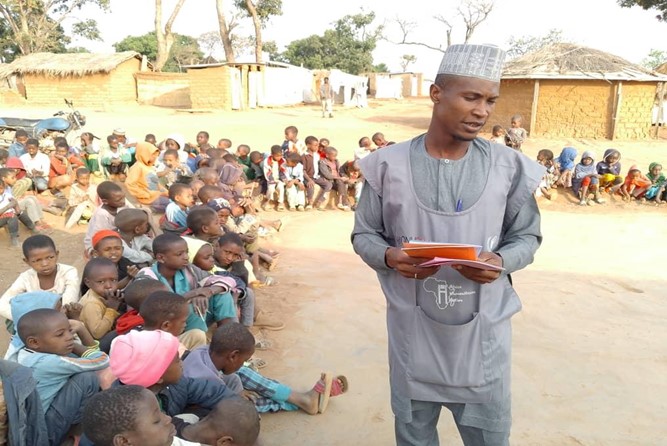
AHA-Cameroon trained 100 parents in the Family-MUAC approach, enabling families to participate in community-based screening for malnutrition. Meanwhile, 15,890 people received awareness messages on infant and young child feeding practices.
 HIV services also achieved important results where 100% of newly diagnosed HIV-positive patients started on antiretroviral treatment. In addition, all eight HIV-positive pregnant women identified during the reporting period were placed on treatment to help prevent mother-to-child transmission.
Overall, PMTCT coverage reached 98.7%.
These results demonstrate what sustained access to testing, treatment, and maternal healthcare can mean for vulnerable families.
Looking beyond immediate service delivery and building a health system that can stand on its own is another important priority for AHA-Cameroon.
With the refugee situation becoming increasingly protracted, AHA-Cameroon is working with Cameroon’s health authorities to transfer responsibility for refugee healthcare to the national public health system.
Regional steering committees have been established in the East, Adamawa, and North, while assessments are conducted to determine which health facilities need to take on greater responsibility.
This includes addressing gaps in human resources, midwifery services, medical equipment, essential supplies, reporting and billing systems, health financing and UHC mechanisms, and technical capacity within health facilities.
The transition is designed as a gradual process involving preparation, capacity building, consultation, supervision, phased withdrawal, and monitoring and evaluation.
The goal is clear: refugees should not lose access to healthcare simply because humanitarian assistance changes.
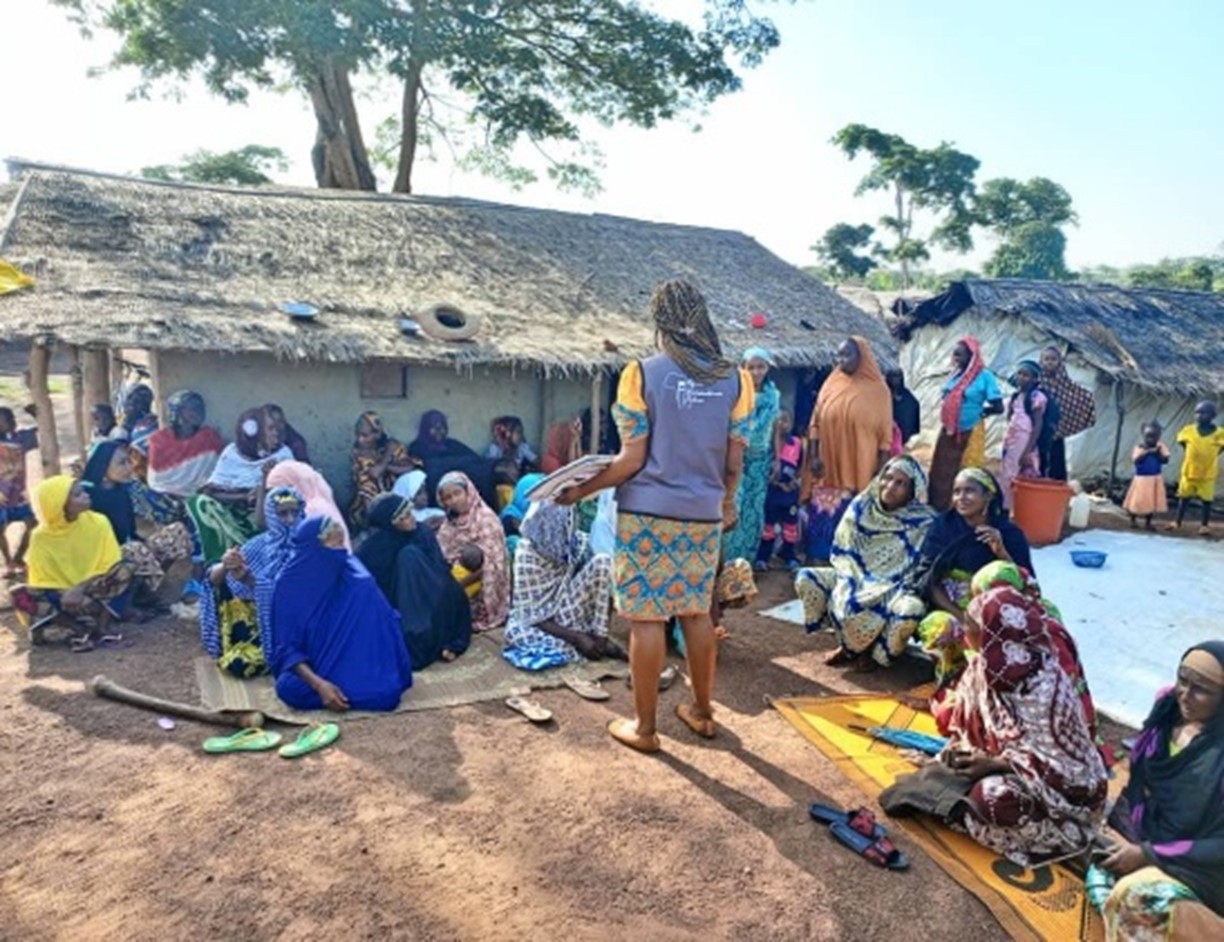
Communities are part of the solution, and a sustainable health system cannot depend only on health facilities. Communities must also have the knowledge, skills, and structures needed to protect their own health.
During the reporting period, AHA-Cameroon reached 4,328 beneficiaries with information about the transition process and enrolled 2,438 refugees in universal health coverage through campaigns and outreach.
Community groups continued supporting activities including home visits, referrals, nutrition education, cooking demonstrations, and monitoring mothers and children.
AHA-Cameroon also trained 23 district surveillance focal points in the 7-1-7 approach, strengthening their capacity to detect, notify, and respond rapidly to public health emergencies.
The situation in CAR has also affected voluntary repatriation. Repatriation activities were suspended because of the unstable political situation. Despite this, AHA-Cameroon maintained operational readiness and successfully supported two repatriation convoys during the first quarter of 2026.
Nurses and nursing assistants accompanied the convoys and helped ensure that health protocols were followed throughout the transfers.
The work has not been without obstacles. Delays in the disbursement of health-sector funds compressed the implementation period for some activities. The limited availability of government health officials also slowed the transfer of responsibilities and resulted in some training and technical-support activities being rescheduled.
Despite these challenges, AHA-Cameroon strengthened its engagement with health authorities, particularly in the East and Adamawa regions, and moved the transition process into a more active phase through the establishment of steering committees and the development of a collaborative roadmap.
With continued support from donors and partners, AHA-Cameroon can continue strengthening healthcare services, supporting vulnerable communities, and helping ensure that refugee families have access to quality care both today and in the future.