During the first half of 2026, Africa Humanitarian Action (AHA)-Rwanda continued to strengthen access to quality healthcare for refugees at the Gashora Emergency Transit Mechanism (ETM), ensuring that every refugee had access to comprehensive primary healthcare services. Through preventive, curative, promotive, and rehabilitative interventions, AHA contributed to improved health outcomes while supporting Rwanda's commitment to providing dignified healthcare for displaced populations.
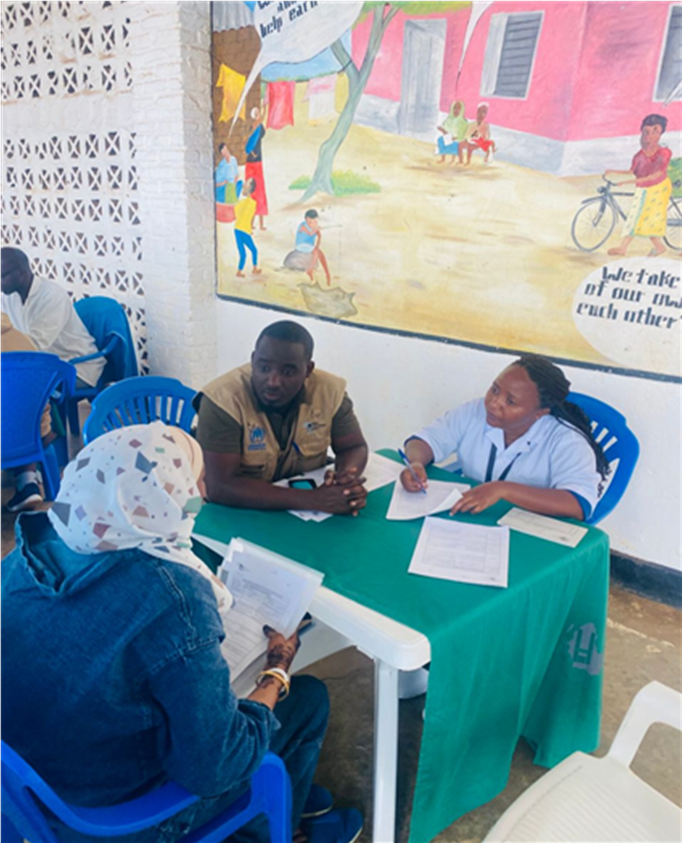
All 337 newly arrived refugees received comprehensive medical screening, enabling early detection and treatment of health conditions. Between January and June 2026, healthcare workers conducted 4,133 medical consultations, supported by more than 4,000 laboratory investigations, while 71 patients requiring additional care were admitted to the clinic. Mental health services also remained available throughout the reporting period, providing psychiatric consultations and counselling for refugees in need. Notably, no deaths were recorded during this period.
Preventive healthcare remains a priority. Routine immunization services continued in line with Rwanda's national Expanded Programme on Immunization (EPI), ensuring children received life-saving vaccines, including measles immunization and completion of the national vaccination schedule.
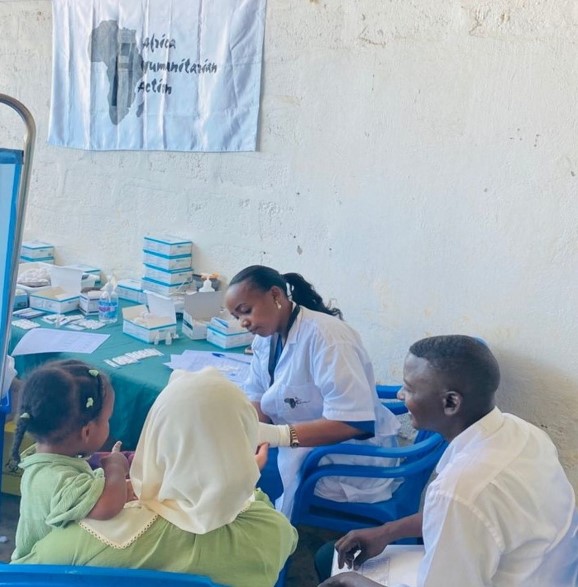
Maternal and newborn health services also recorded positive results. Healthcare providers conducted 69 antenatal care consultations and ensured that all seven deliveries during the reporting period were attended by skilled health personnel, achieving 100% skilled birth attendance. Comprehensive postnatal care services further supported the health and well-being of mothers and newborns.
AHA continued to promote reproductive health by providing services to refugees while delivering community awareness sessions on cervical cancer prevention and broader reproductive health issues. Daily health education sessions further strengthened community awareness of priority public health topics.
The programme also maintained strong HIV and hepatitis prevention and treatment services. All newly arrived refugees accessed voluntary HIV counselling and testing, with those diagnosed promptly enrolled in treatment and care. Hepatitis B and C screening continued throughout the reporting period, ensuring early identification and clinical follow-up for affected individuals.
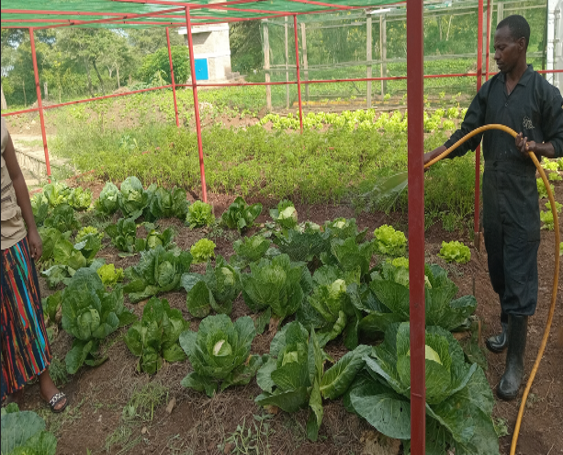
Nutrition interventions remained central to improving the health of vulnerable groups. Regular nutrition education promoted appropriate infant and young child feeding practices, while monthly supplementary feeding supported pregnant and lactating women, people living with HIV, and tuberculosis patients. Routine nutrition surveillance, growth monitoring, anemia screening, and nutrition counselling enabled early identification and management of malnutrition, complemented by the promotion of household kitchen gardens to improve dietary diversity.
To ensure long-term impact, AHA continued working closely with the Ministry of Health, district health authorities, UNHCR, MINEMA, and other partners to strengthen local health systems and integrate refugees into Rwanda's national healthcare system, reinforcing the sustainability of health services beyond project implementation.
The achievements recorded during the first half of 2026 demonstrate the life-saving impact of sustained humanitarian investment. However, the health needs of refugees remain significant, requiring continued access to essential healthcare, nutrition, maternal and child health services, disease prevention, and mental health support.
With the support of donors and partners, AHA-Rwanda can continue delivering quality healthcare while strengthening the resilience of refugee communities and national health systems. Every investment helps ensure that vulnerable families receive the care they need today while building healthier, more resilient communities for the future.