AHA Uga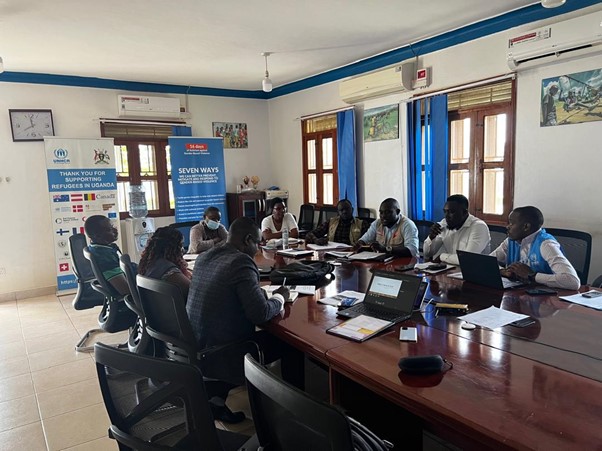 nda, in collaboration with UNHCR, Farmacéuticos Mundi (Farmamundi), and the Pfizer Foundation, has made significant strides in delivering critical healthcare services to refugee populations, enhance access to primary and tertiary healthcare, strengthen mental health services, prevent gender-based violence (GBV), and support community health through innovative digital solutions in Uganda.
The stories of Moga Tonny, Samiya Abdalla, and the 12-year-old boy who recovered after suffering from rickets are a few of many that show AHA’s intervention in action.
Success Stories
Cancer Care – Moga Tonny’s Triumph Over Burkitt Lymphoma
Moga, an 18-year-old, was diagnosed with Burkitt lymphoma and has been under AHA’s care for five years. After undergoing chemotherapy, radiotherapy, and surgery, Moga is now cancer-free and focused on his education. His gratitude for AHA's lifesaving support reflects the project's success in delivering comprehensive cancer care.
Mental Health – Samiya Abdalla’s Journey
Samiya Abdalla, a Sudanese refugee and mother of twin boys with autism and epilepsy, found hope through AHA’s mental health clinic. Both her children’s epilepsy is now managed, and Samiya’s mental health has improved, enabling her to care for her children and plan for the future.
Orthopedic Care – A 12-Year-Old Boy’s Recovery from Rickets
A young boy with knock-knees (Genu Valgum) was unable to walk or play until AHA intervened with a corrective surgery. Now able to walk and play football, his recovery story is a testament to AHA’s impact in providing orthopedic care.
 Program Update
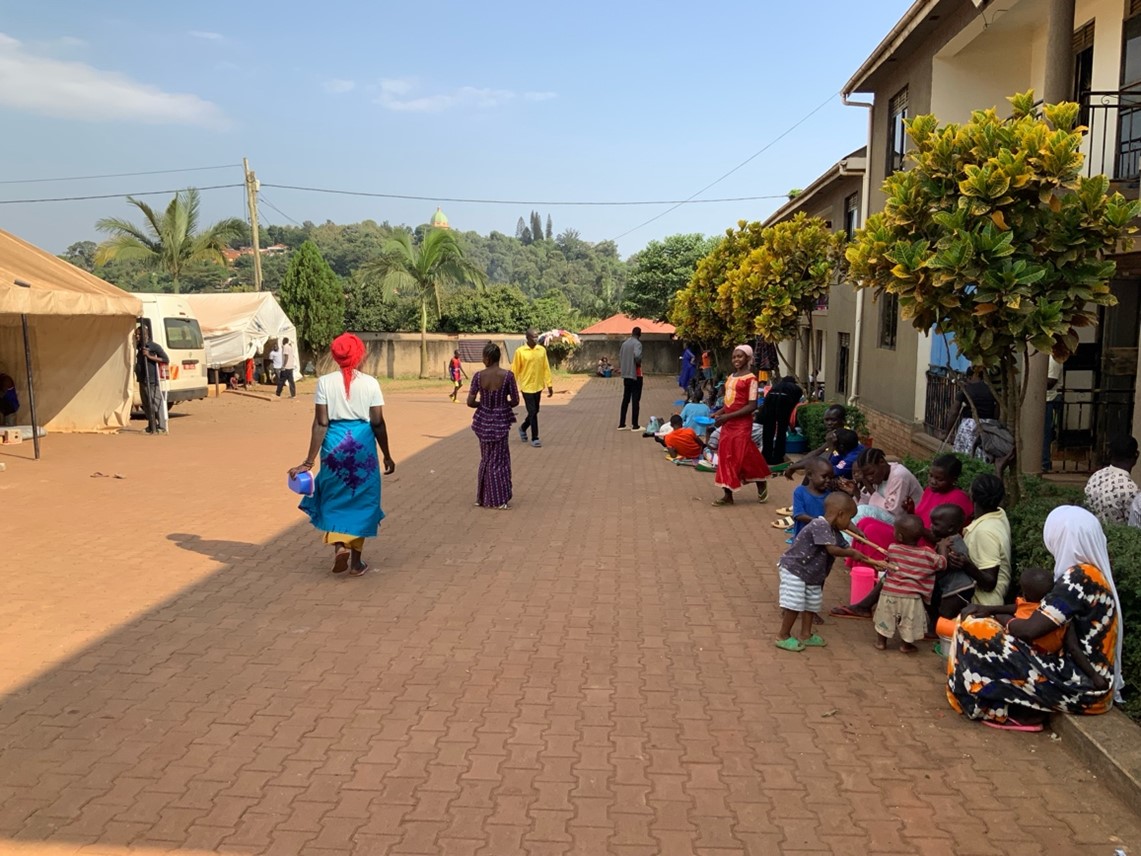
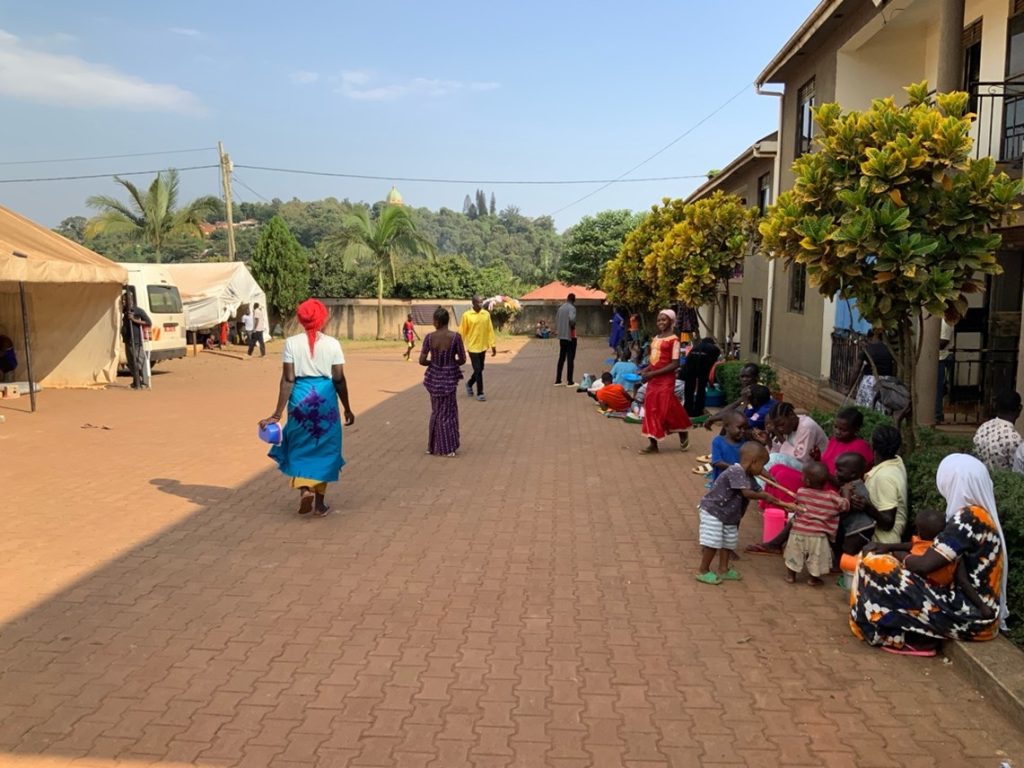
In partnership with UNHCR, AHA’s project continues to successfully improve healthcare services for refugees living in urban Kampala and those referred from rural lower-level facilities to national referral hospitals. Managing an average of 280 monthly referrals, the project ensures that refugees receive critical secondary and tertiary care. Additionally, AHA hosts 170 individuals per month in its medical hostel in Kampala, providing essential support during treatment.
To ensure coordination, AHA has established functional collaboration agreements with national referral hospitals and other key healthcare players. These agreements ensure the smooth functioning of the referral system, providing timely and comprehensive care to refugees. The partnerships have also enhanced the effectiveness of the national referral system by supplementing services for more vulnerable populations.
Through AHA’s partnership with Farmamundi, AHA has provided healthcare services to over 10,600 refugees, focusing on mental health and sexual and reproductive health (SRH). The project has organized weekly mental health clinics, and has provided psychosocial support to 172 women survivors of GBV. These services have been vital in addressing the mental health needs of the refugee population in both Kampala and the Kyaka II settlement.
So far this year, AHA has facilitated 3,331 sensitization sessions focused on SRH, gender equity, and GBV prevention. These sessions, conducted in collaboration with Village Health Teams (VHTs), have reached 75% women participants, empowering them with critical health information. Additionally, 19 community dialogue meetings have created spaces for refugees and aid workers to discuss GBV prevention and community health needs.
Our partnership with The Pfizer Foundation has introduced the CHT toolkit, a digital platform that enhances the capacity of VHTs in their community outreach work. Since its launch in July 2024, the project has reached some 6,980 individuals, including 2,350 women of reproductive age and 1,000 children under 5. VHTs have used the toolkit to improve Integrated Community Case Management (ICCM) and ensure early disease detection and treatment in the communities they serve.
Across all three projects, AHA has prioritized building community capacity. VHTs and community leaders have been trained in SRH promotion, GBV prevention, and early disease detection, thereby empowering communities to take ownership of their health, while enhancing the impact of AHA’s interventions in the long term.